The 40 Weeks of Flowers Challenge
By Mitch Lippencott
ISA Certified Arborist® OH-6715A
April 9th, 2026
— — —
It was February 2020.
My hair was thicker, and without a single gray.
My joints felt lubricated and rarely hurt.
After years of working at a garden center and spending most of my paychecks on plants there, I was feeling proud of my landscape. By my estimation, something was flowering at my house from Easter all the way through Thanksgiving, sometimes even longer.
This type of plant diversity doesn’t come easily, and it’s not just for good looks – it feeds the pollinators and predators that keep a garden thriving without chemicals.
I concocted the “40 Weeks of Flowers Challenge” and invited my plant nerd friends and colleagues to attempt it with me as spring approached.
The rules were simple – take a photo of a new plant flowering in your garden every week for as long as possible, hopefully 40 consecutive weeks. Trees, shrubs, bulbs, perennials, grasses, herbs, fruit, and veg would all count. Houseplants and annuals wouldn’t. No repeats, even if they’re a re-blooming variety. Flowers only – buds, berries, and seed pods wouldn’t count. Miss a week, you’re eliminated.
In the end, I only lasted 38 weeks.
Missing the magic 40 wasn’t disappointing, though. It forced me out to scan my gardens every week. It taught me to look differently at plants I’d had for years. I gained appreciation of what I had and noted what I still needed to get. Most of all, it was fun!
This year, I’m inviting my co-workers and the entire Russell Tree Experts family to participate in a similar challenge. Still no annuals or potted plants. Still no repeats. This time around, the actual number of weeks won’t matter – we’ll simply go as long as we can with no set goal. Flowers are still strongly preferred, but if your tree has fall foliage that needs to be shown off, we’re all for it.
If you’d like to participate, upload your photos to this Facebook post along with a description of the plant, if you know it. We’ll post some of our favorites each week.
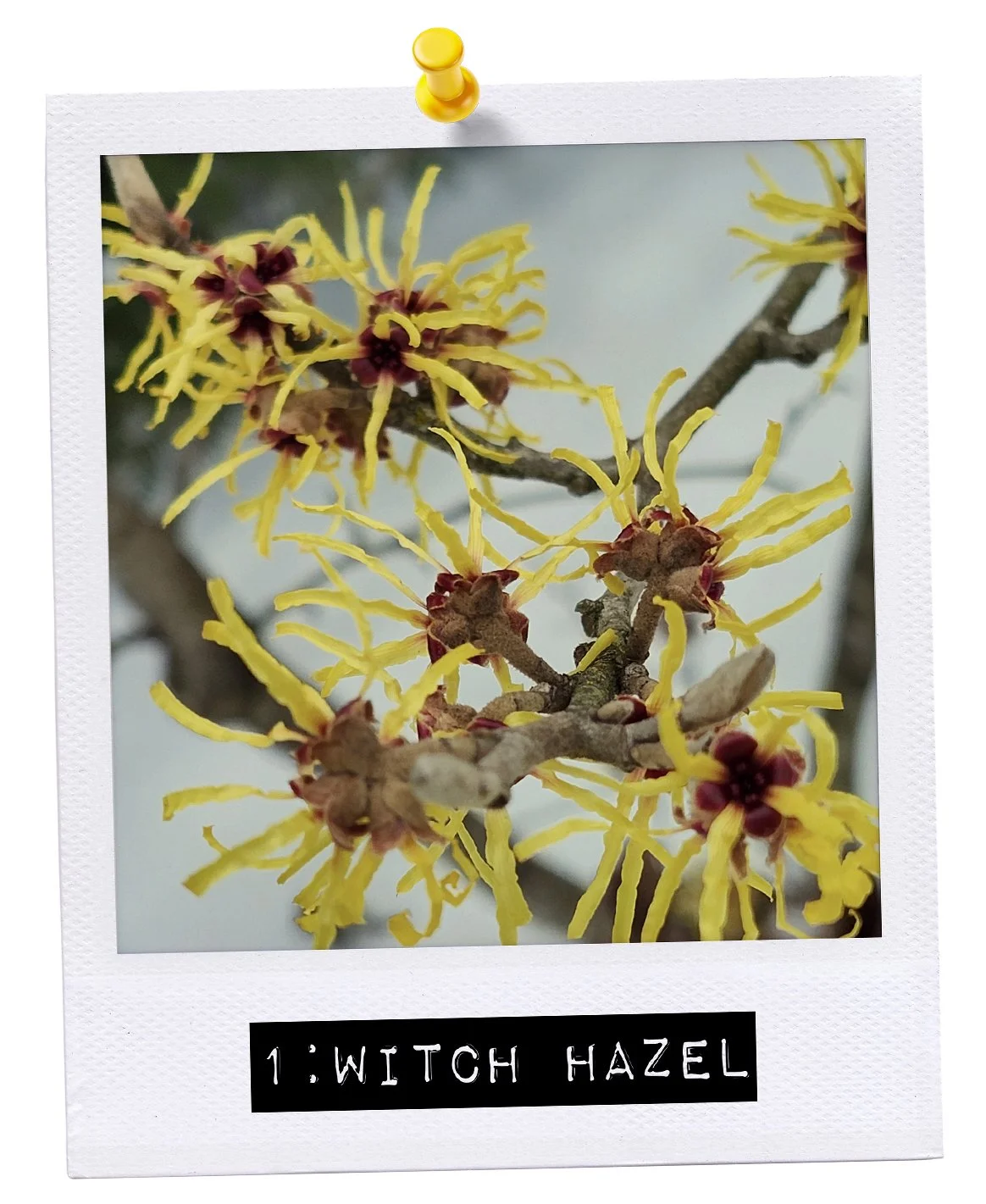
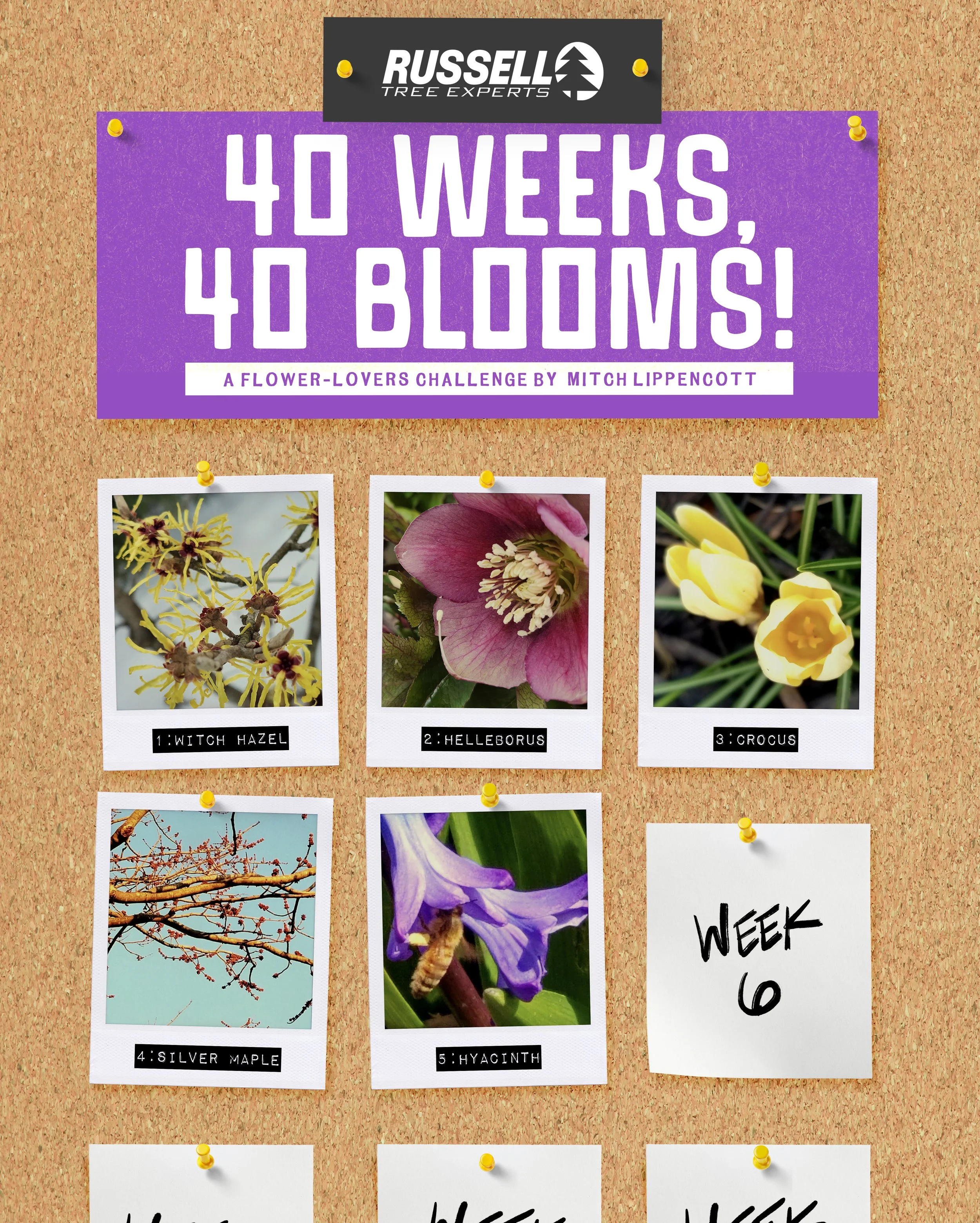
I spotted my first flower this year on Monday, March 2.
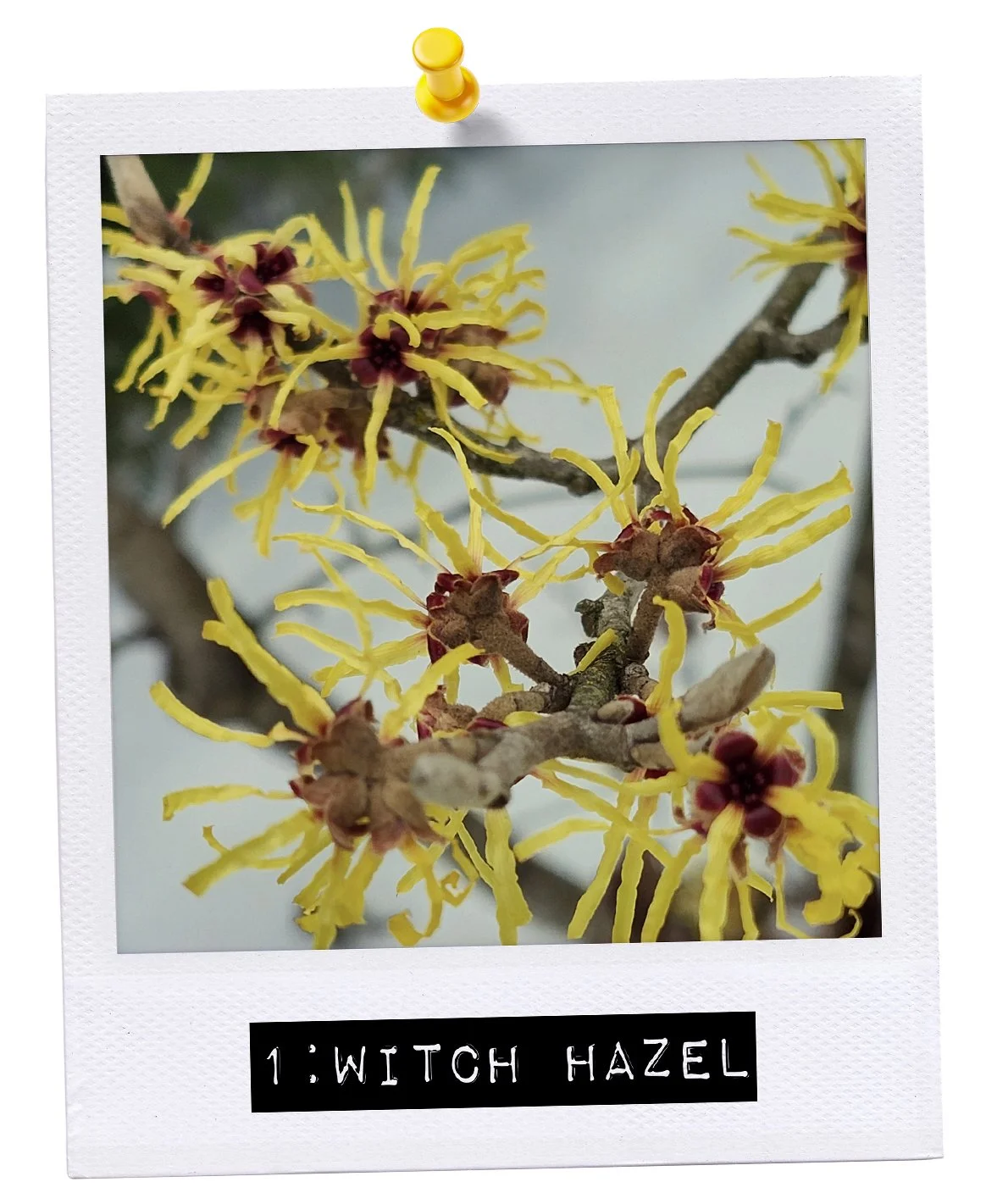
Witch hazel (pictured above) is native to large swathes of North America. It’s typically found in densely forested areas but tolerates both sunny and shady locations and wet and dry soils. Common woodland varieties grow to 10-20 feet tall and wide, with smaller cultivars widely available. The most striking feature of witch hazel is its unique bloom time – It often flowers in snow!
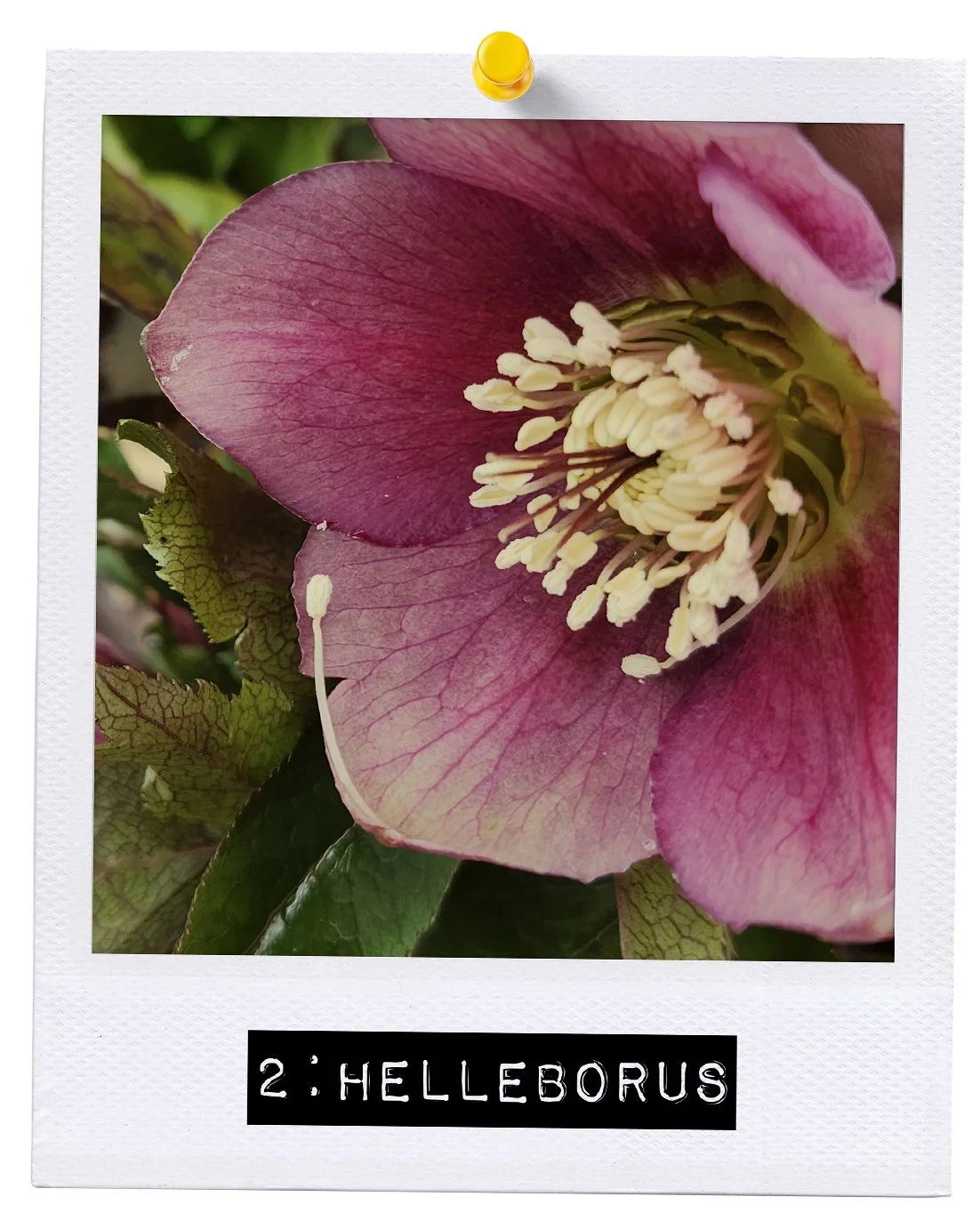
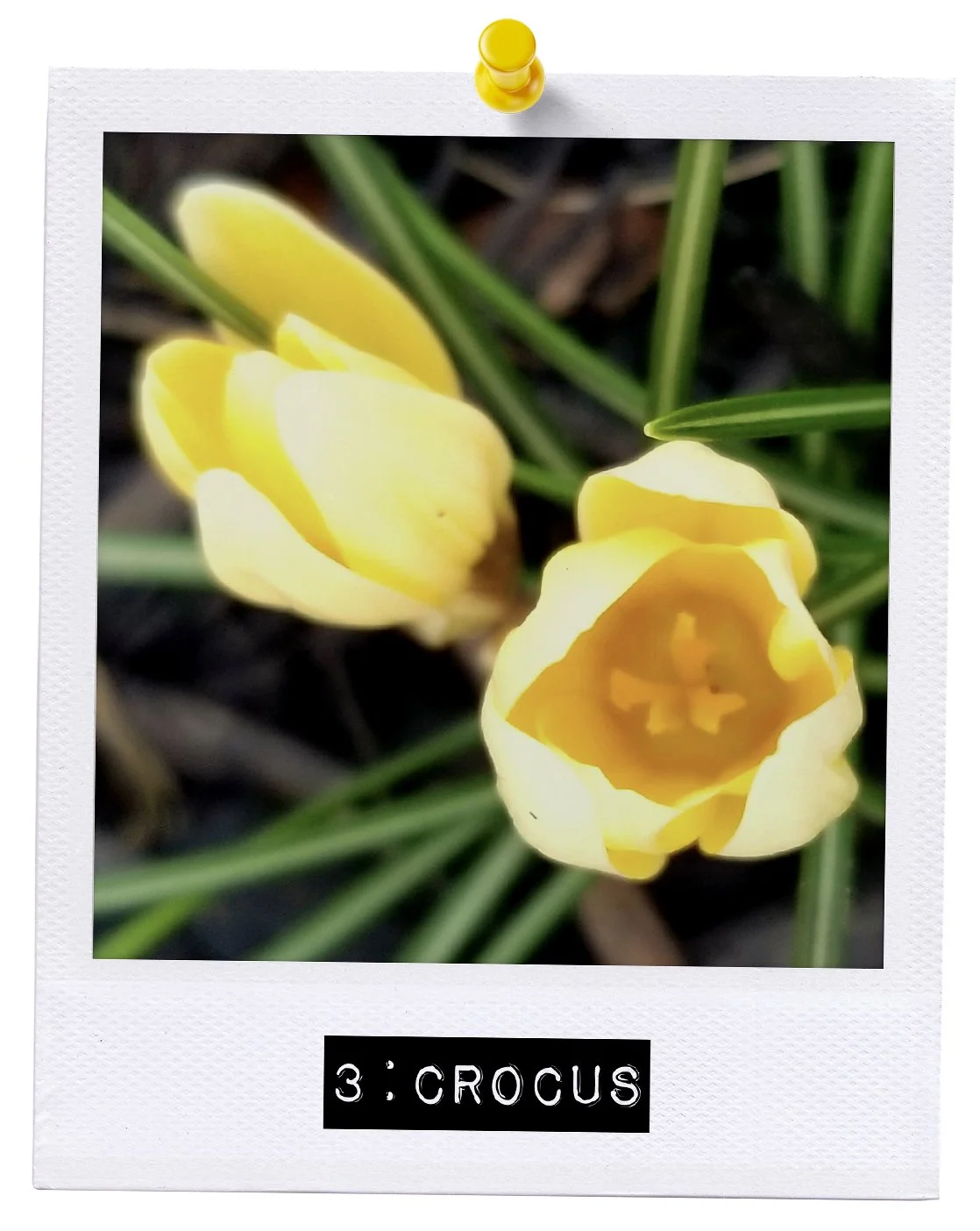
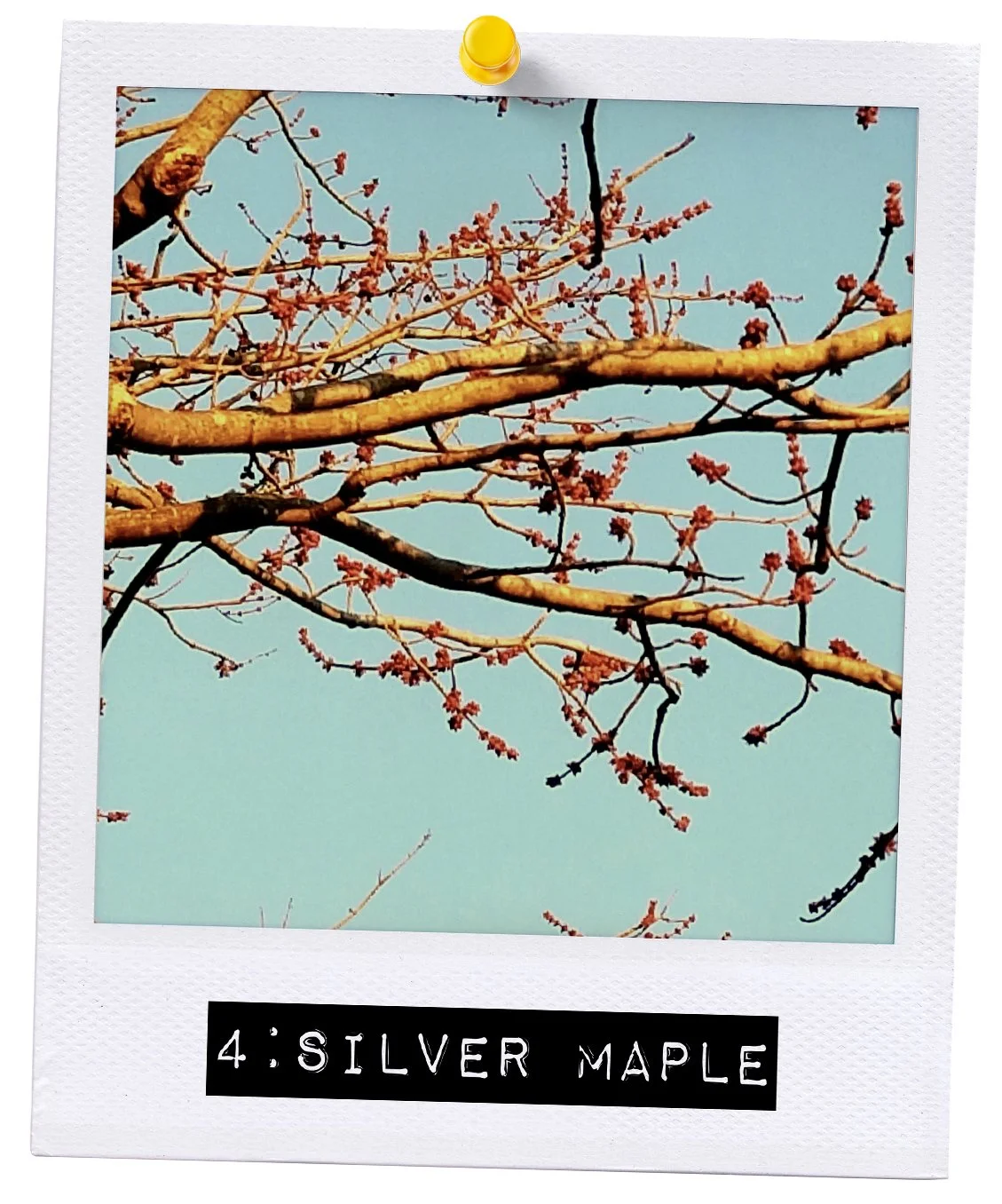
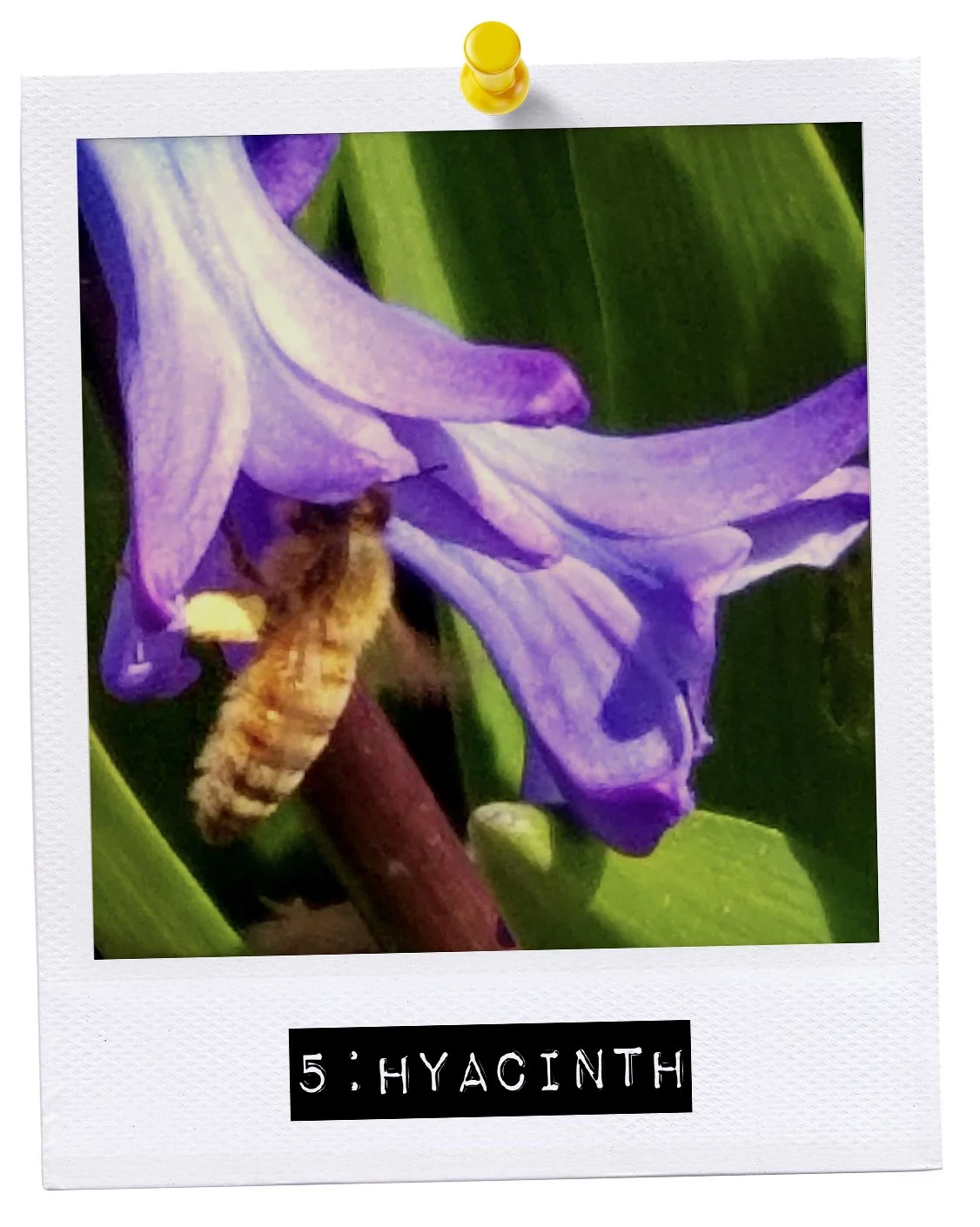
In the weeks since, I’ve photographed helleborus (week of March 8), crocus (March 15), silver maple (3/20), and hyacinth (3/29).
What’ll you have next week?
The Challenge