Oh, Dear! No Deer! Tips for Preventing Deer Damage
By Mike Wilson
ISA Certified Arborist® OH-6806A
April 16, 2026
If you garden in central Ohio, you already know—you’re not the only one enjoying your landscape. White-tailed deer (Odocoileus virginianus) and a whole cast of furry visitors are right there with you, sampling the menu you’ve worked so hard to grow.
©Russell Tree Experts
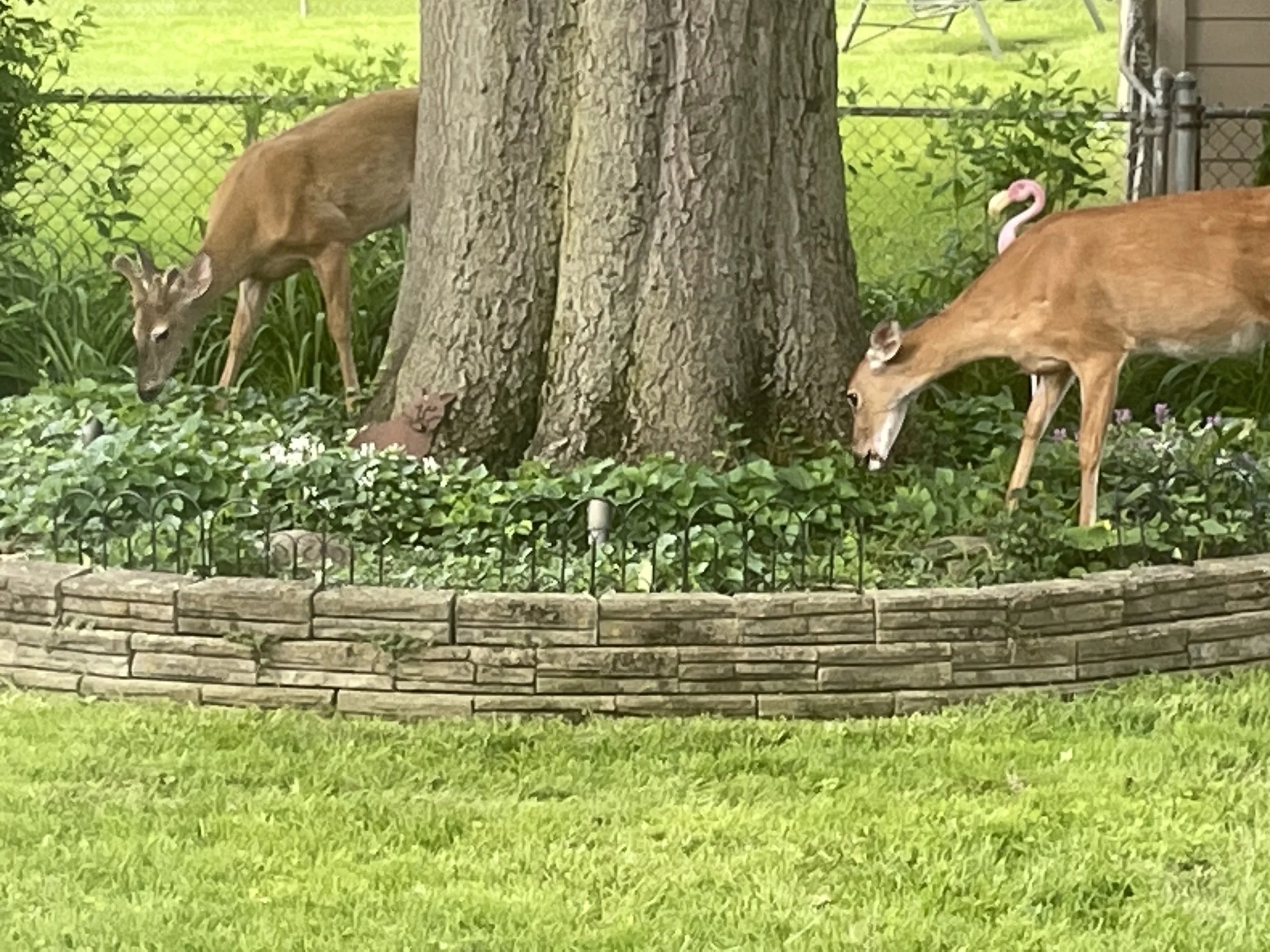
As beautiful and iconic as deer are, their growing population in the Midwest has made them one of the biggest challenges for gardeners, homeowners, and anyone trying to establish trees or shrubs. As neighborhoods continue to expand into natural habitats, deer have adapted right along with us—and unfortunately, that often means treating our yards like an all-you-can-eat buffet. And they’re not picky diners.
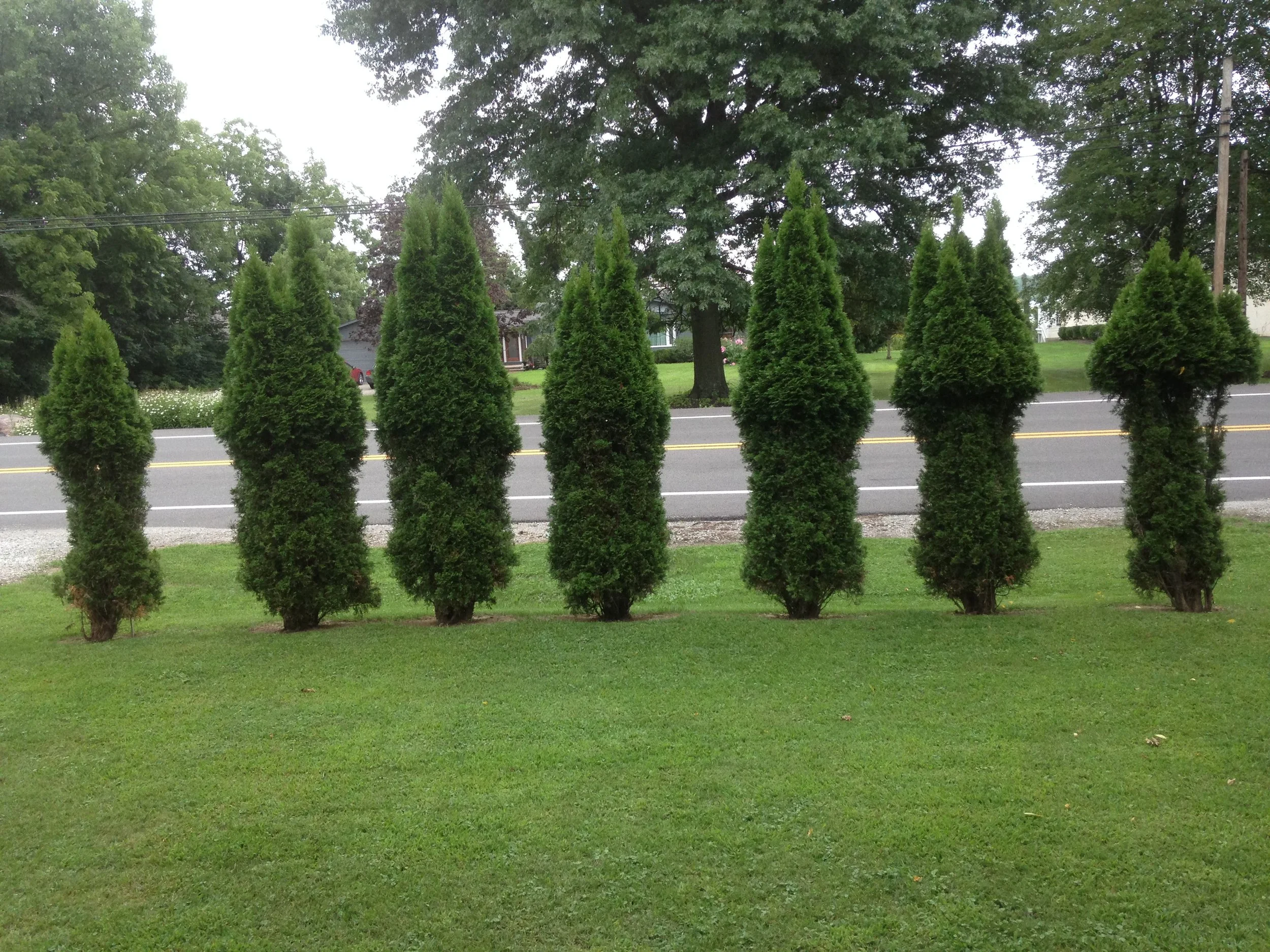
A single deer can eat 6–7 pounds of plant material a day and reach up to about 6 feet high. That means your hostas, roses, hydrangeas, arborvitae, and tender young greens are all fair game. Repeated browsing doesn’t just make plants look ragged—it can prevent flowering, distort growth, and even kill plants over time. And if food is scarce? Deer will try just about anything.
An example of deer browsing
©Russell Tree Experts
So What Can You Do? One of the most common approaches is using repellents. These products work in a few different ways—some smell like predators (triggering a “better stay away” instinct), while others taste bad or even cause mild irritation to discourage repeat snacking. Ingredients like capsaicin (the heat in peppers), allyl isothiocyanate (found in mustard), or ammonia can make plants much less appealing.
The Catch? Repellents only work if you stay consistent. Rain, new growth, and time all reduce their effectiveness, so regular reapplication is key. If keeping up with that sounds like a chore, some homeowners opt for professional services. Currently, Russell Tree Experts does not offer any deer repellent services, we just are fans of tree preservation. One company that we really like is Deerly Departed, a local arborist-led company that offers scheduled applications using natural, edible and pet-safe products, so you don’t have to remember when you last sprayed. Deerly Departed can also help you figure out a plant pallet to discourage browsing.
Deer don’t just eat plants—they can also damage trees in another frustrating way. In the fall, male deer (bucks) rub their antlers against tree trunks to mark territory. This “buck rub” can strip bark in long vertical sections, especially on young trees about 1–4 inches in diameter. Once a tree is marked, deer may come back year after year.
If the damage is severe—especially if it goes all the way around the trunk—it can interrupt the flow of water and nutrients, which may lead to decline or even death. In less severe cases, trees can recover over time, especially with a little help: consistent watering during dry spells, proper mulching, and seasonal fertilization can all support compartmentalization (healing).
If repellents aren’t your thing, physical protection is another solid option. While fencing can help, deer are impressive jumpers (clearing up to 8 feet when motivated), so not all fences are foolproof. Some gardeners try creative deterrents like fishing line or string lights, with mixed results.
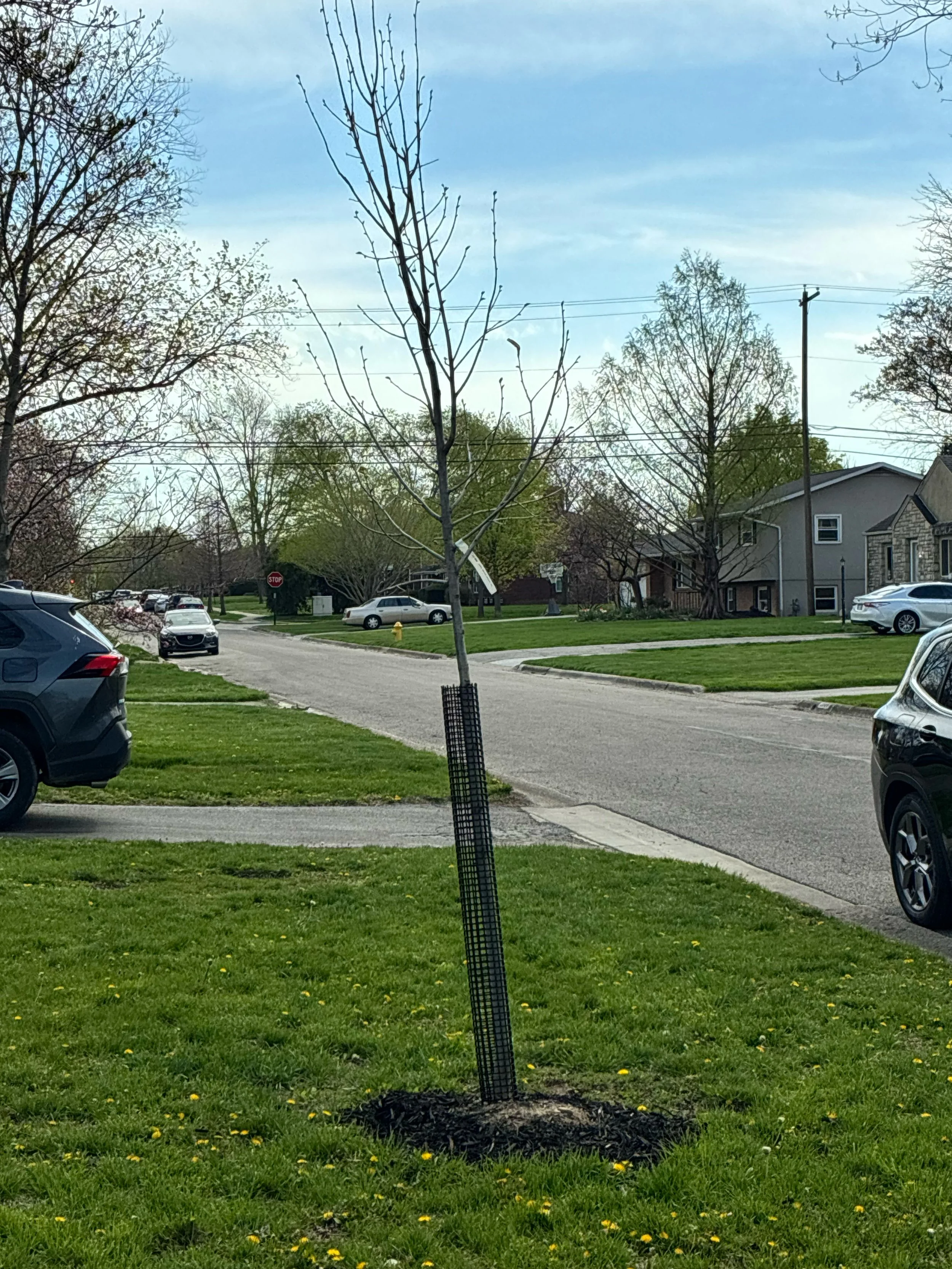
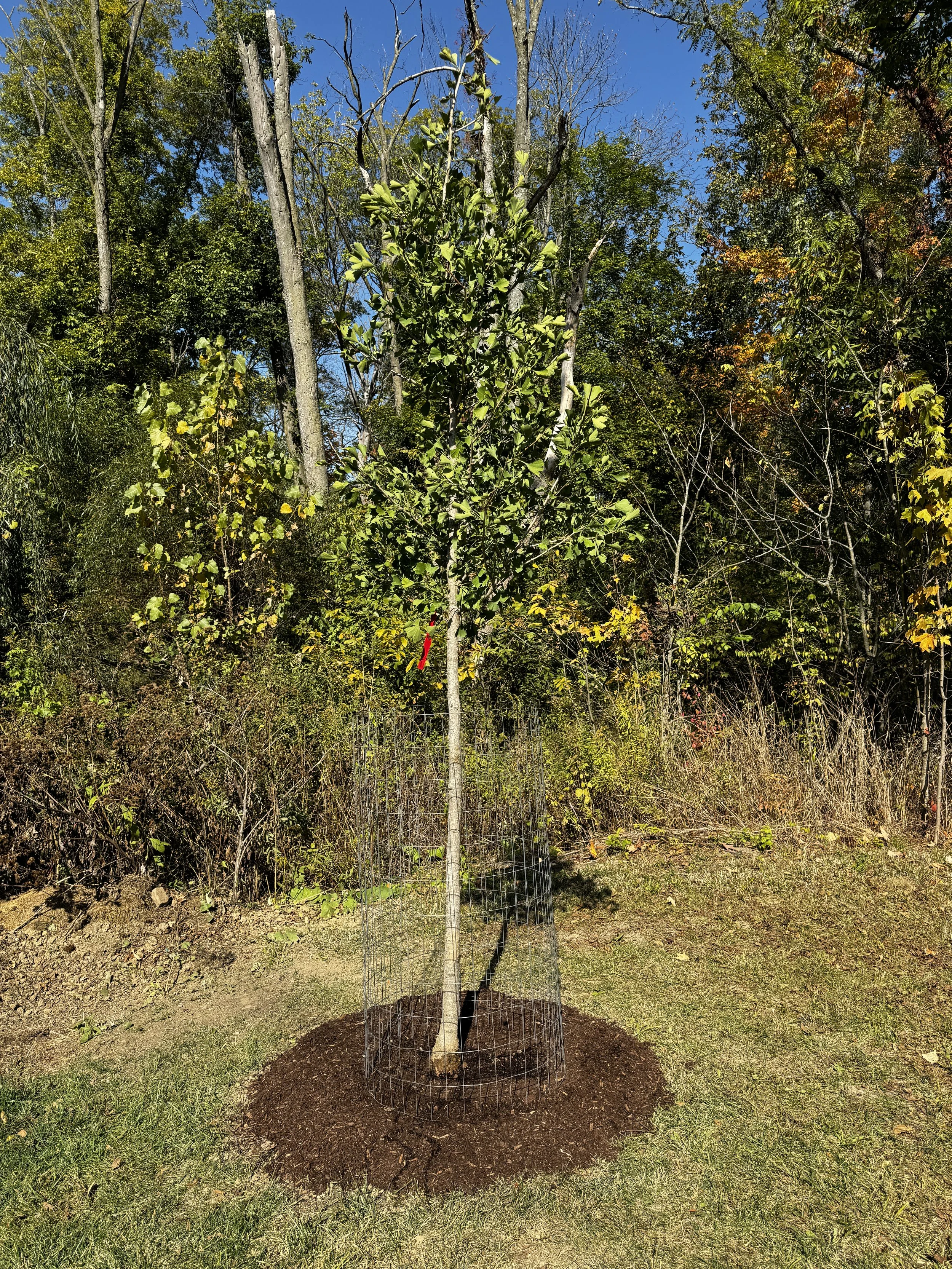
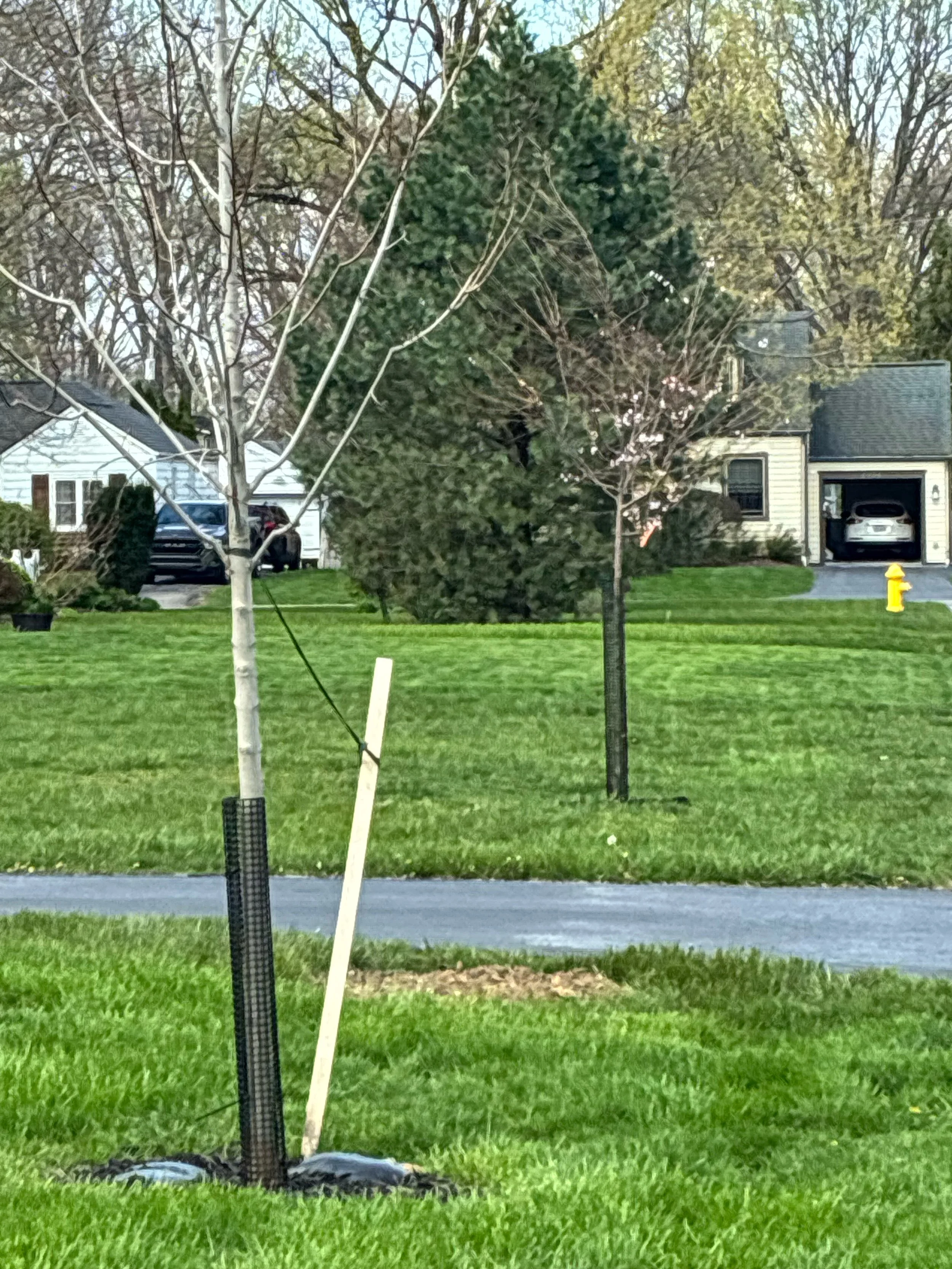
Often, the simplest solution is the most effective: protect each plant individually. Wrapping young tree trunks (ideally up to about 6 feet high) with sturdy wire mesh or tree guards can prevent buck rub damage. It’s affordable, discreet, and works well until trees mature past the stage deer find tempting. Of course, local HOA or community rules may influence what you can and can’t do in your yard. But whether you’re trying to prevent damage or recover from it, you’re not alone. Gardening in deer country just comes with a few extra challenges.
ADDITIONAL ARBOR ED™ ARTICLES!