
When and How to Prune Lilacs
Common lilacs (Syringa vulgaris) are a favorite landscape shrub here in Ohio and beyond, with flowers that provide beauty and an unmistakable fragrance every spring. Other cultivars of lilacs offer different habits and uses in the landscape, but provide the same display of flowers that we all love. In order to ensure you get the most flowers on your lilac year after year, it’s important to know when and how to prune them.
By Walter Reins
ISA Certified Arborist® OH-5113A
March 6, 2025
Common lilacs (Syringa vulgaris) are a favorite landscape shrub here in Ohio and beyond, with flowers that provide beauty and an unmistakable fragrance every spring. Other cultivars of lilacs offer different habits and uses in the landscape, but provide the same display of flowers that we all love. In order to ensure you get the most flowers on your lilac year after year, it’s important to know when and how to prune them.
When To Prune
As a general rule for all lilacs, they should be pruned immediately after they’re done flowering in the spring. Since lilacs set next year’s flower buds right after the current year’s flowers have faded, pruning later in the summer or fall will result in cutting off many or all of next year’s flowers. This rule of timing applies to the larger common lilacs as well as the cultivars that are shorter or more “shrub” like. While the “when” of pruning lilacs is fairly straightforward, the “how” gets a little trickier. To keep things simple for now, we’ll think of lilac pruning as either maintenance pruning or rejuvenation pruning.
How To: Maintenance Pruning
For any lilac shrubs that have not outgrown their space or are still producing vibrant flowers each year, regular pruning can simply consist of any shaping that you choose to do along with removal of dead, diseased, or broken stems. You can also remove spent flowers from your lilacs to help encourage a cleaner growth habit and appearance. It’s always better to do this type of pruning by hand, rather than shearing. When making cuts, try to cut back to an outward facing bud. A good pair of hand pruners is the perfect tool for this and makes for much better pruning cuts than hedge shears.
How To: Rejuvenation Pruning
If you’ve ever had an older common lilac in your landscape that went unpruned for many years, you’re probably familiar with their overgrown, unruly habit when left alone. Many people mistakenly believe that these shrubs have stopped flowering at this point. Oftentimes what’s actually happening is the flowers are being produced on just the upper portions of the shrub where the plant has reached a taller height and is exposed to sunlight. Once they’ve reached this stage, we’re often left to stare at bare, woody branches at eye level and below. For these overgrown shrubs, we can remove entire older canes or stems that are 2” in diameter or larger to encourage a rejuvenation of the shrub. We want to apply the rule of thirds when doing this type of pruning - Remove approximately one third of the older canes or stems each year for 3 years. This gives the shrub a chance to slowly transition back to a fuller, shorter shrub with more new growth filling in from the bottom. If you decide to drastically prune the entire shrub this way all at once rather than just a third of it, a little extra care like fertilization and watering will be important to encourage new growth. Note that this “all at once” approach is generally not recommended for the health of the shrub.
Your lilac flowers can be influenced by many things, including the temperature, soil conditions, even disease and insect problems, but proper pruning goes a long way to ensuring they put on a great show every spring. And remember, if you have specific questions about pruning or anything tree and shrub related, your dedicated Russell Tree Experts arborist is only an email or phone call away.
*New* Video!
To accompany the above article, Walter Reins demos how to prune lilac trees in this new video! Click below!
Please note: This article was originally published on 4/6/2020 and was republished on 3/6/2025.
ADDITIONAL ARBOR ED ARTICLES!


Walter Reins | Regional Manager, Russell Tree Experts
Walter became an ISA Certified Arborist® in 2003 and has a degree in landscape horticulture. He has 25 years of experience in the tree and landscape industries and originally began working at Russell Tree Experts in 2011. Walter is also the owner/operator of Iwakura Japanese Gardens, a small design/build/maintenance firm specializing in Japanese-style gardens, and also offers responsible tree planting for all landscapes.
Don’t Get Fooled by the Fall Color of Conifers!
Every fall I get calls from folks concerned about yellow needles on their evergreen trees. Often times I’m told that the trees are sick or that they appear to be dying from the inside out. There are some disease and insect problems that can cause yellowing and premature loss of needles in conifers but most often what people are reporting is just normal fall color.

By TJ Nagel
ISA Board Certified Master Arborist® OH-6298B
November 13, 2025
Every fall I get calls from folks concerned about yellow needles on their evergreen trees. Often times I’m told that the trees are sick or that they appear to be dying from the inside out. There are some disease and insect problems that can cause yellowing and premature loss of needles in conifers but most often what people are reporting is just normal fall color.
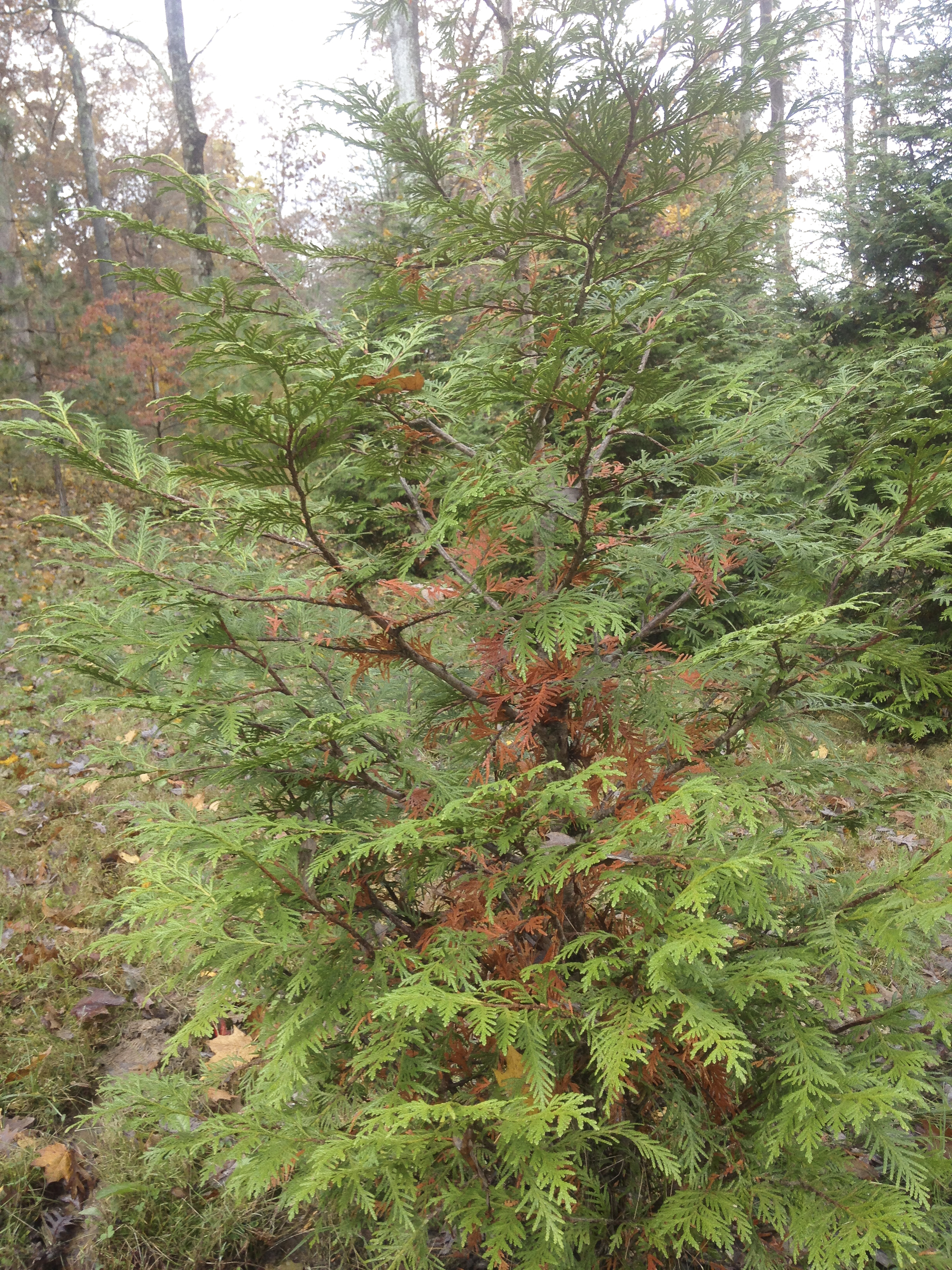
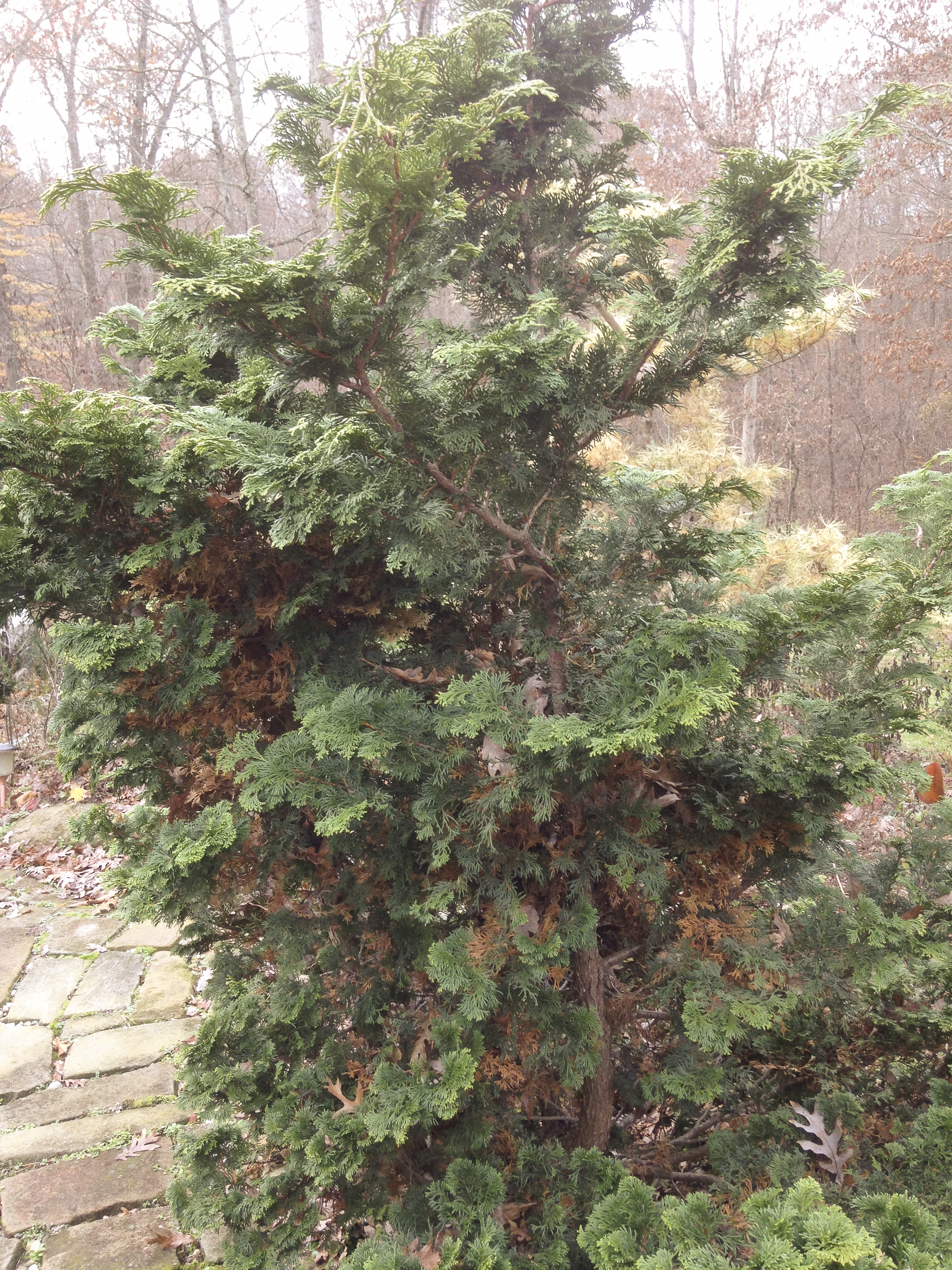
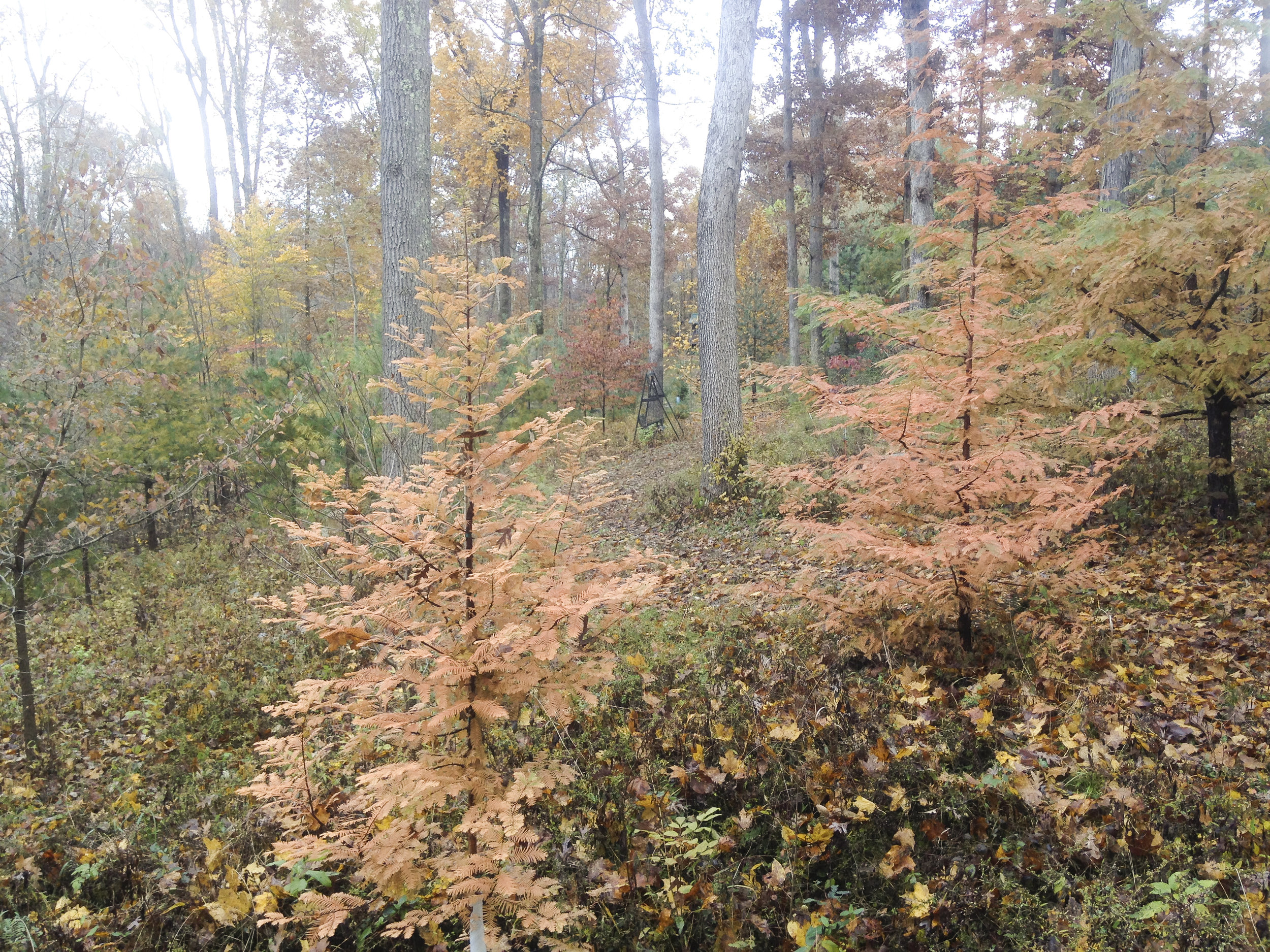
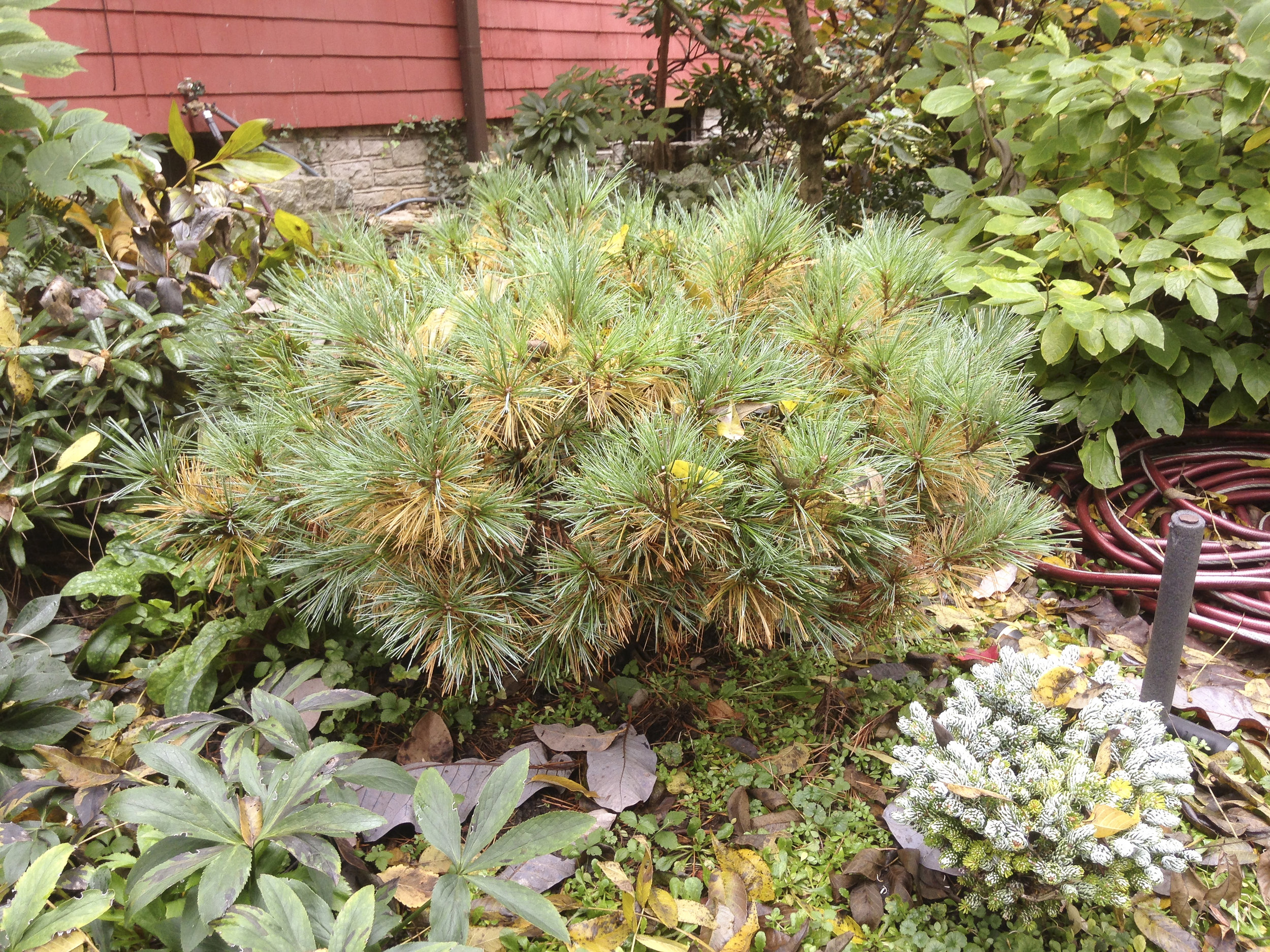
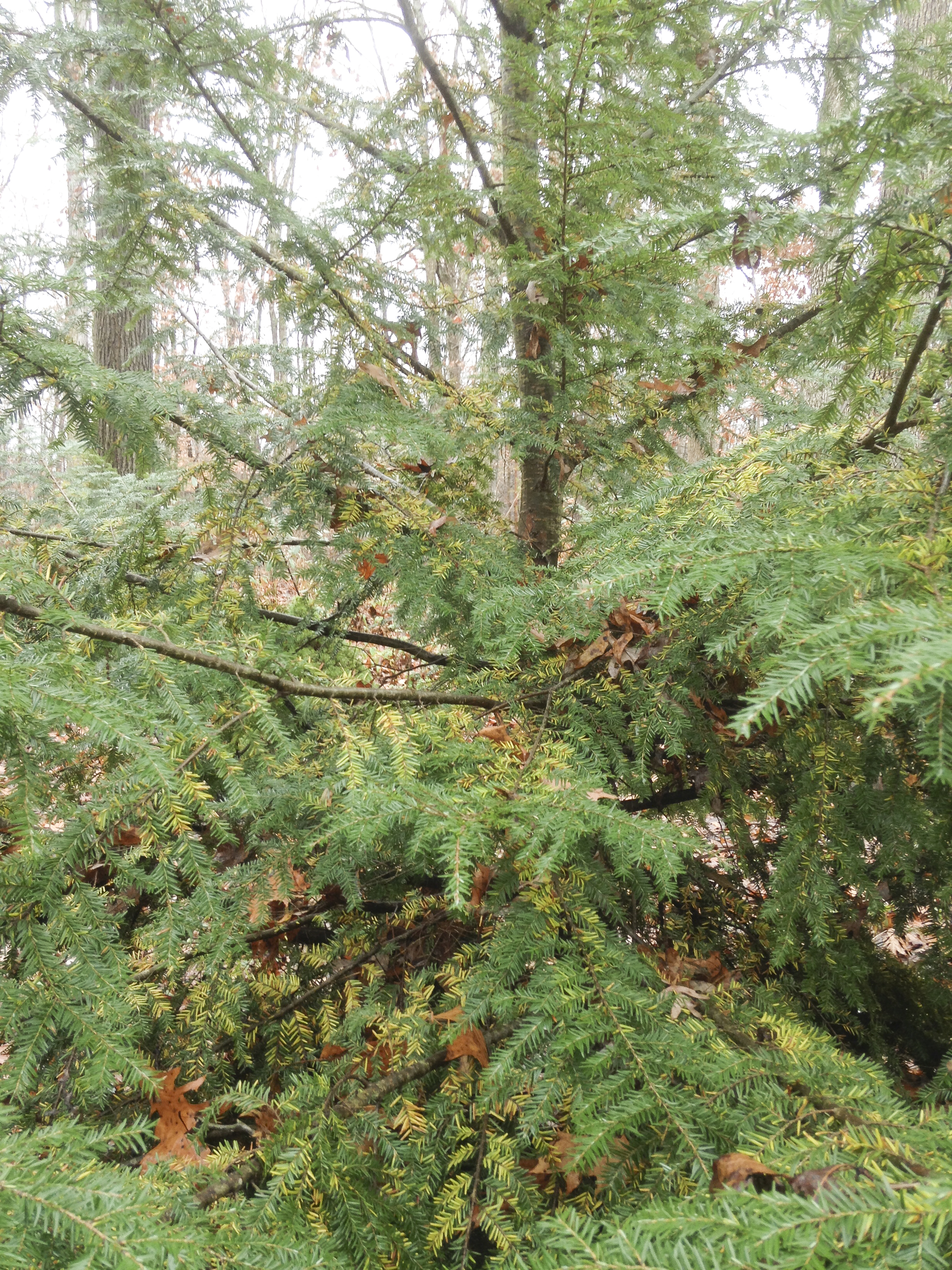
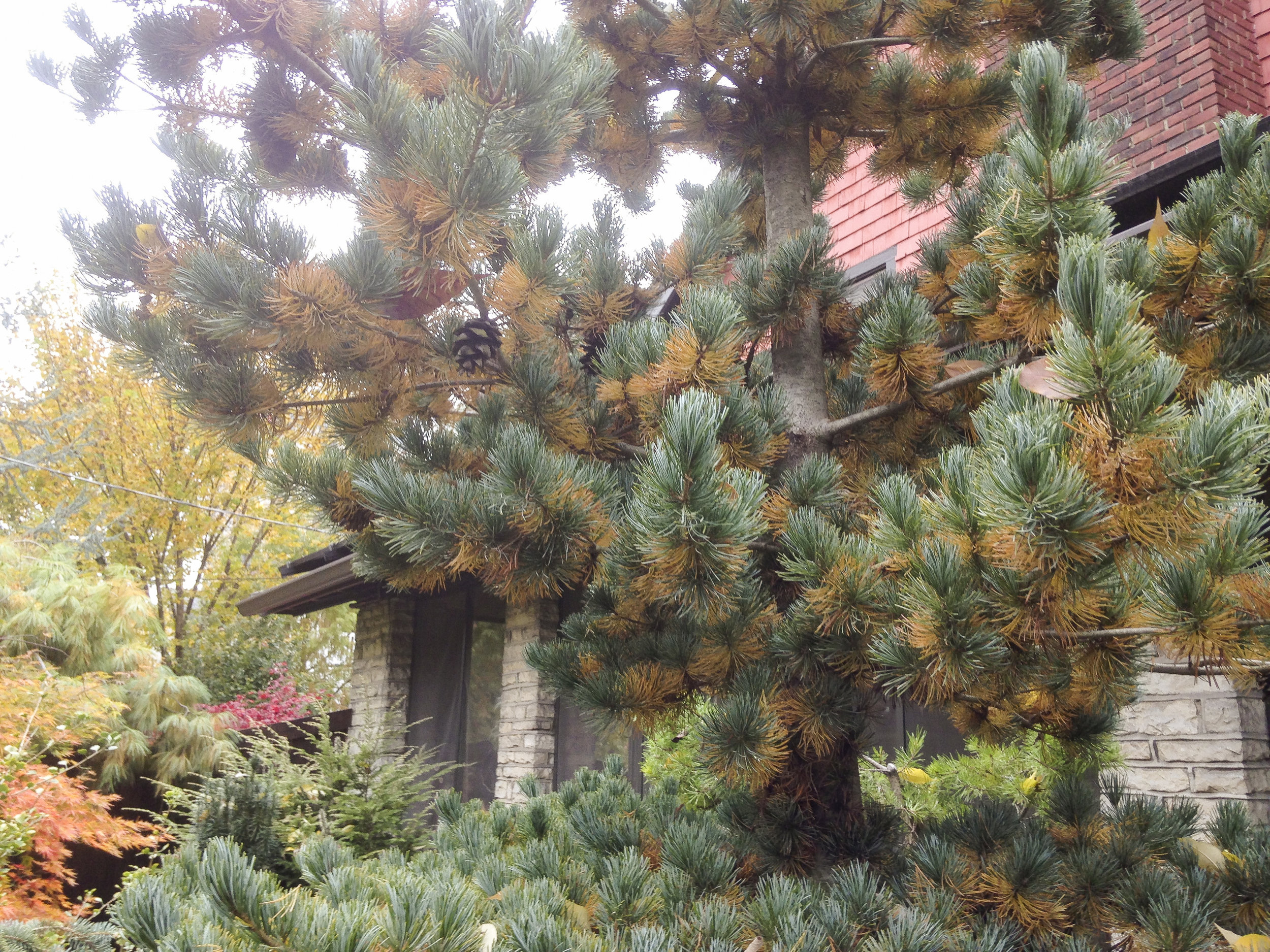
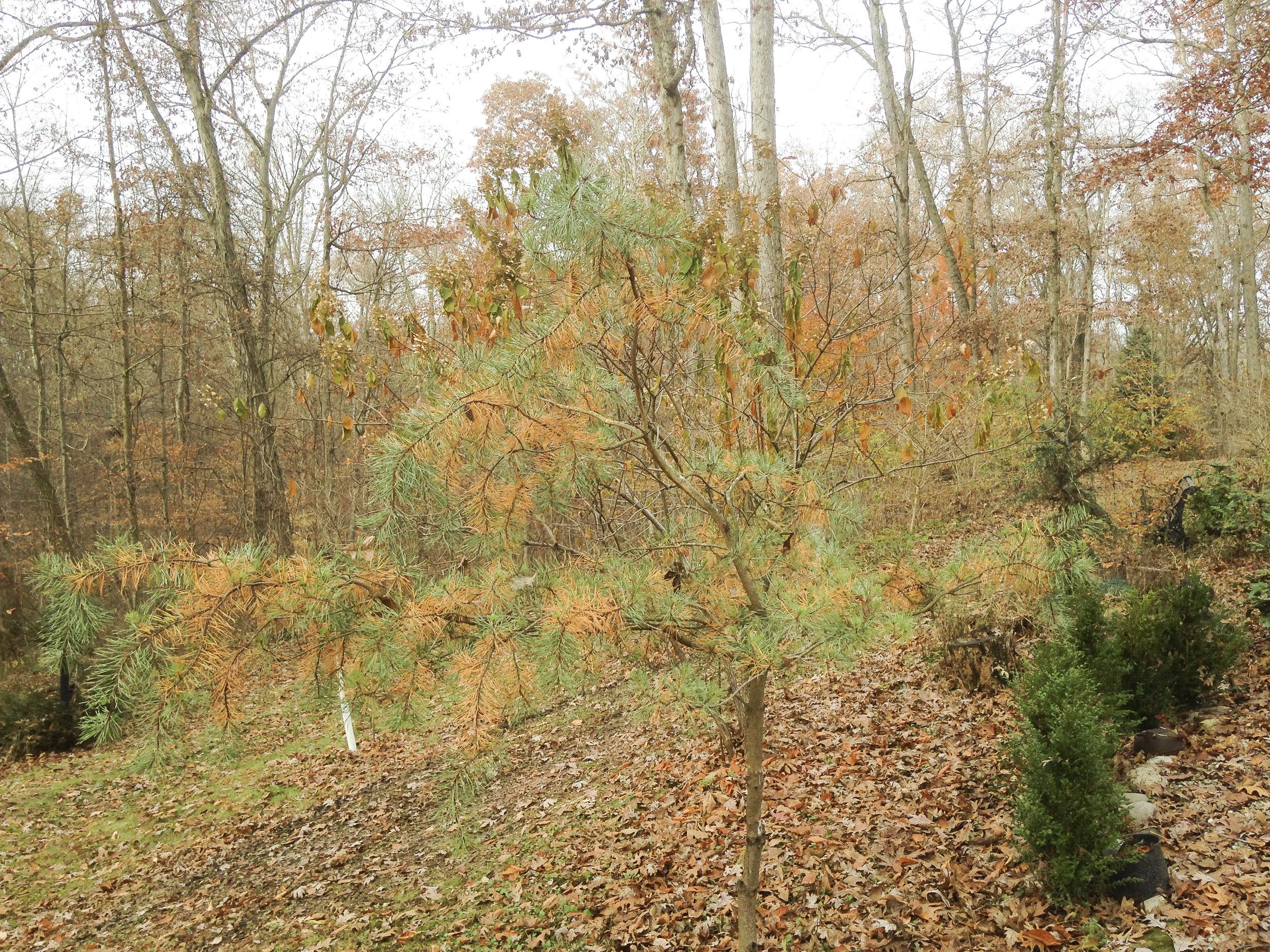
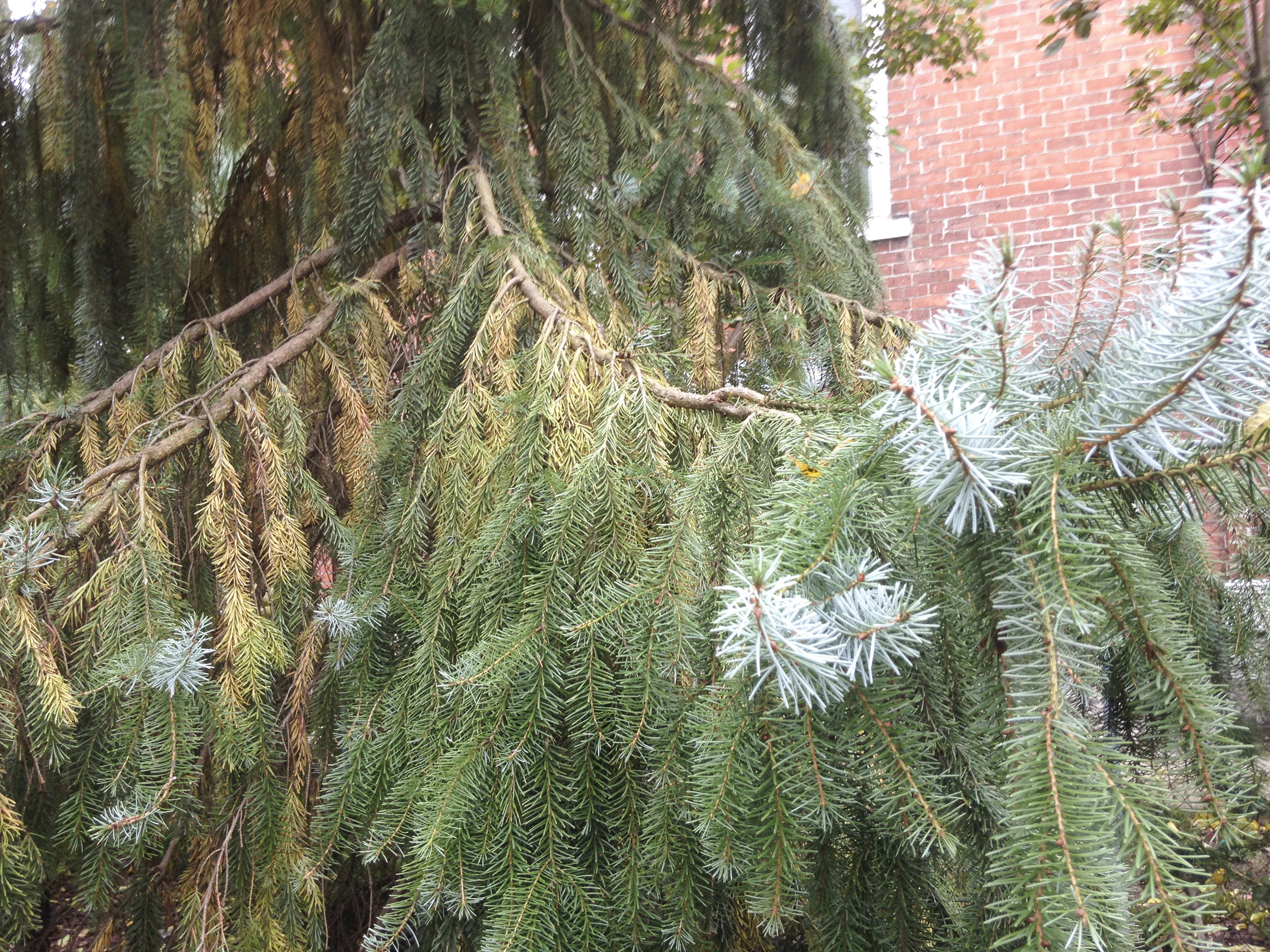
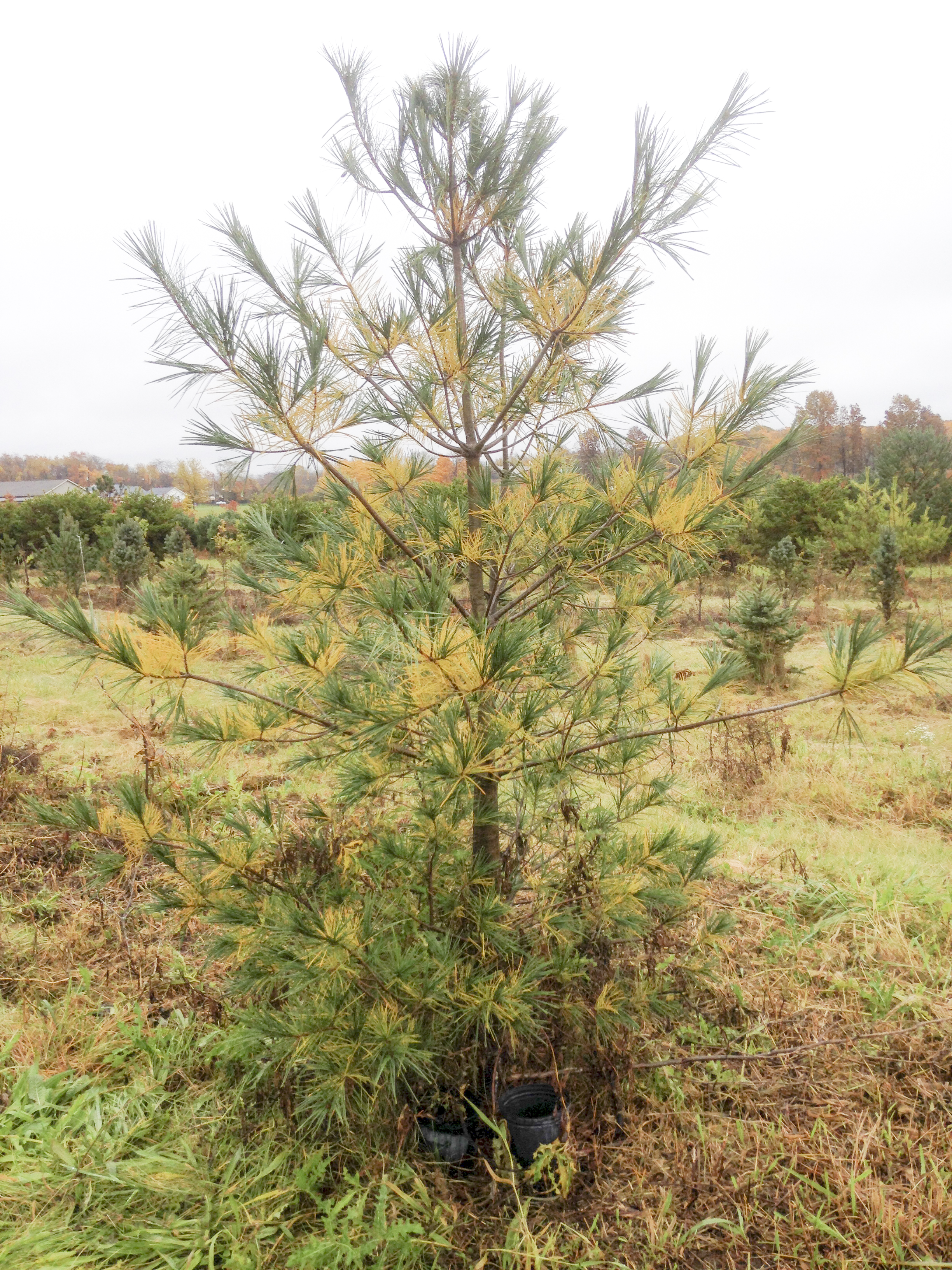
Yellowing and the loss of old needles in the fall is normal for pine, spruce, arborvitae, hemlock and most evergreen conifers in the midwest. Most conifers shed their needles each year starting in late August and continue through November. Older interior needles will turn yellow while needles further out in the canopy and at the tips of branches will stay green. The yellow needles eventually drop off starting at the top of the tree and working their way to the bottom in a uniform fashion. Taxus (also called Yew) is the exception showing it’s “fall color” in mid to late spring.
Most folks understand and look forward to the fall color change in our maples, oaks, hickories and other hardwood trees — fall needle drop in conifers is as normal as leaf drop in deciduous trees.
The change in color and eventual drop of foliage is simply a physiological response to the shorter days and cooler temperatures as trees (both evergreen and deciduous) prepare themselves for the winter.
Pictured below are some of my favorite conifers showing fall color:
Please note: This article was revised on 11/12/25 and originally published on 11/28/18.
ADDITIONAL ARBOR ED™ ARTICLES!



TJ Nagel I Scheduling Production Manager, Russell Tree Experts
TJ joined Russell Tree Experts in 2012 and loves trees. He is an avid gardener and plant collector. TJ graduated from The Ohio State University with a B.S. in Agriculture with a major in Landscape Horticulture and minor in Entomology. TJ is an ISA Board Certified Master Arborist® and well versed in plant pathology and tree ID.