Why Leaves Turn Yellow (and how to fix it!)
By Alex Miller
ISA Certified Arborist® OH-7168A
April 30, 2026
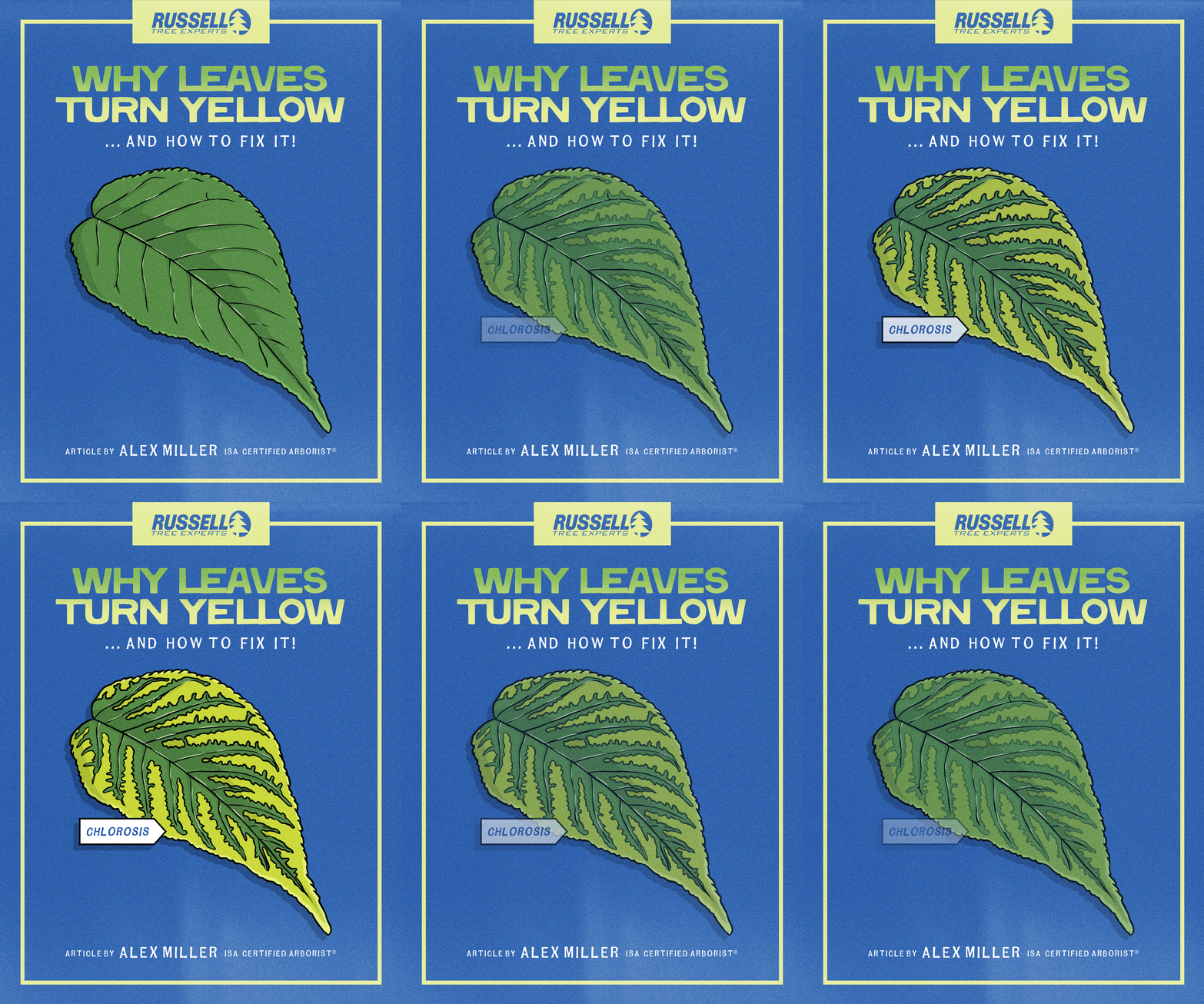
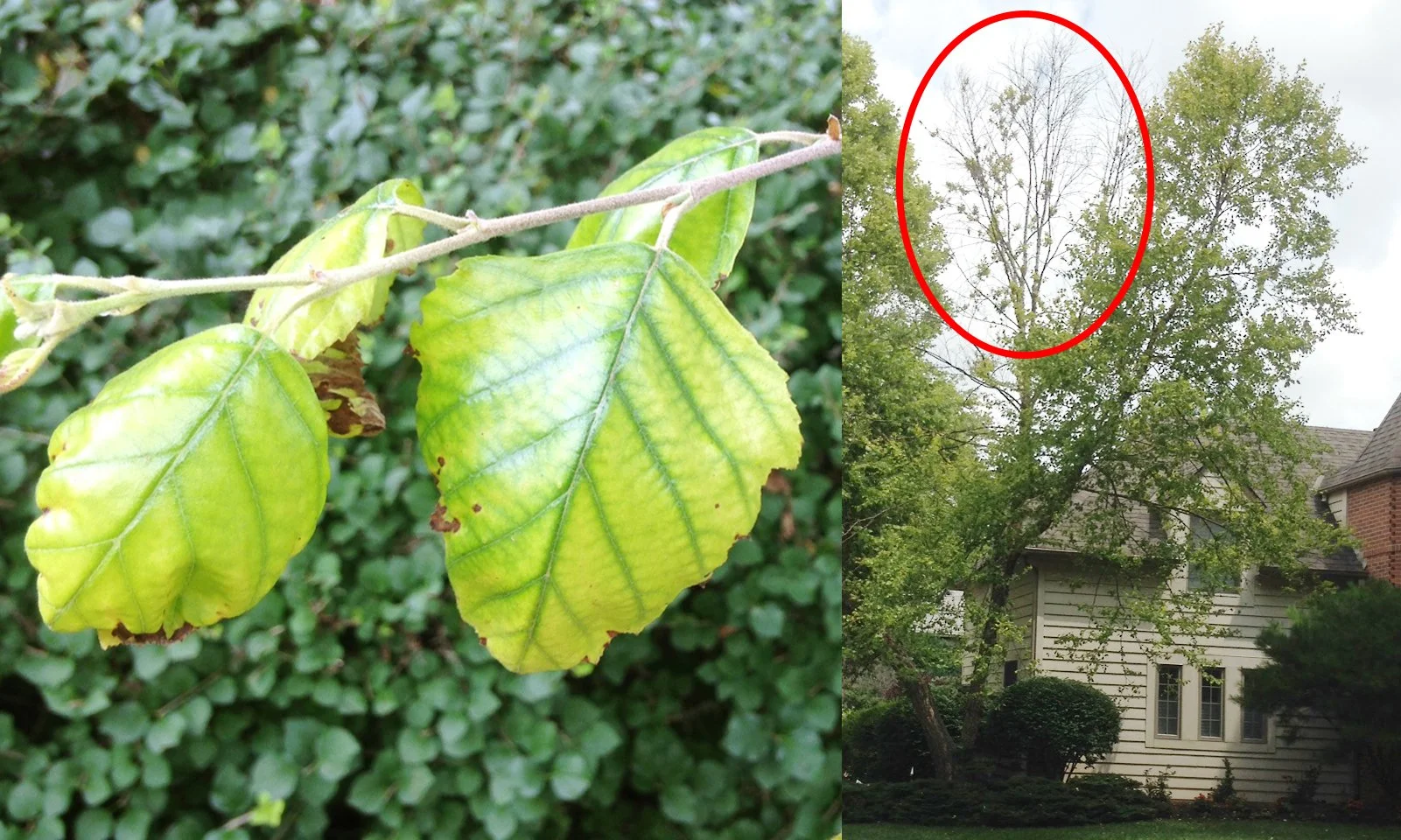
Nutrient deficiencies, such as those involving iron and manganese, are a serious issue for landscape trees. Left unaddressed, they can slow growth, weaken overall vigor, and eventually lead to decline or death. One of the earliest and most recognizable warning signs is chlorosis, a condition where leaves lose their rich green color and instead begin to progressively appear lime green, then yellowish green, and lastly a pale yellow as the tree begins to lose branches. At first glance, chlorotic foliage might seem like a minor cosmetic issue, but it’s actually a signal that the tree is struggling to produce enough chlorophyll. Without sufficient chlorophyll, the tree can’t efficiently photosynthesize, which limits energy production and affects nearly every aspect of its health.
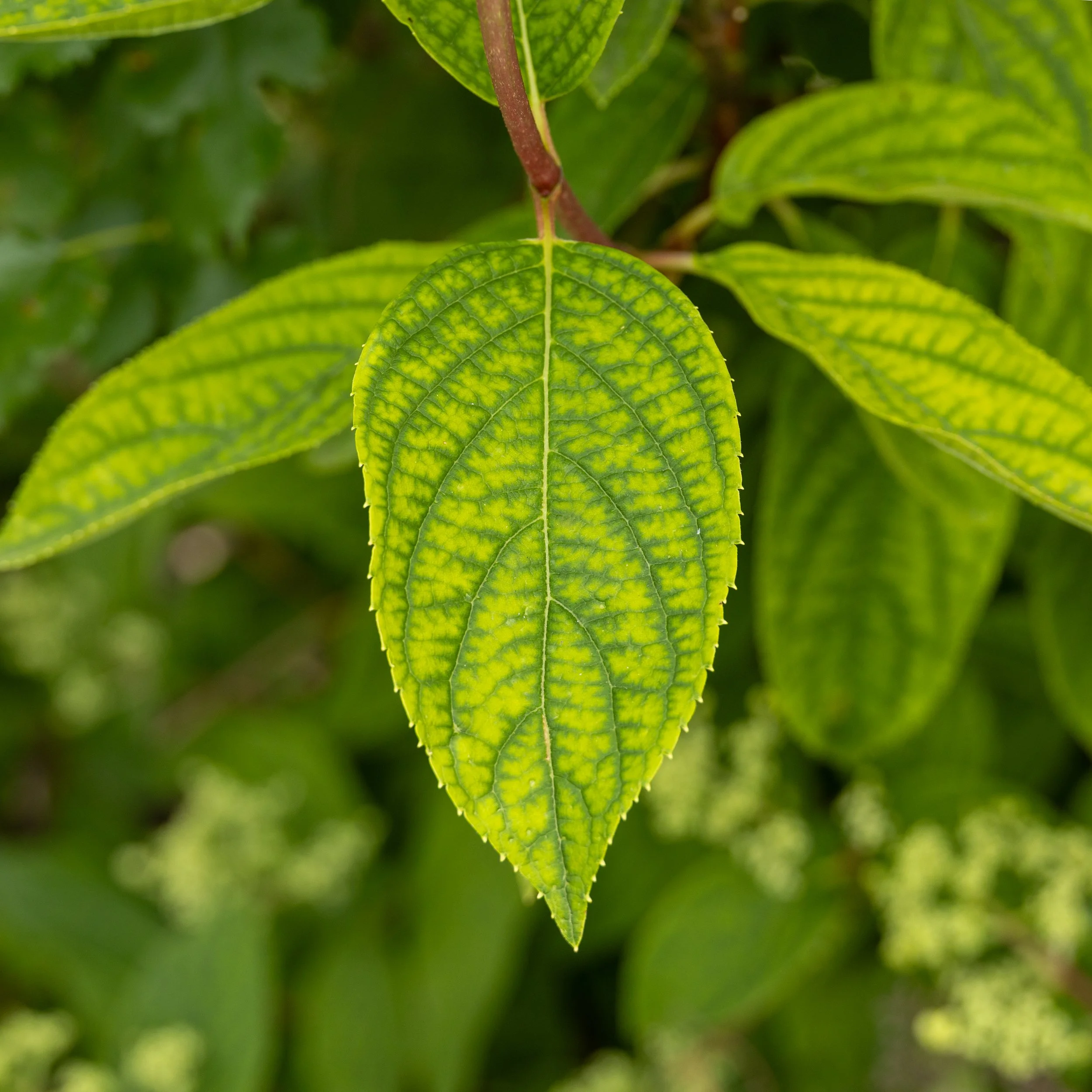
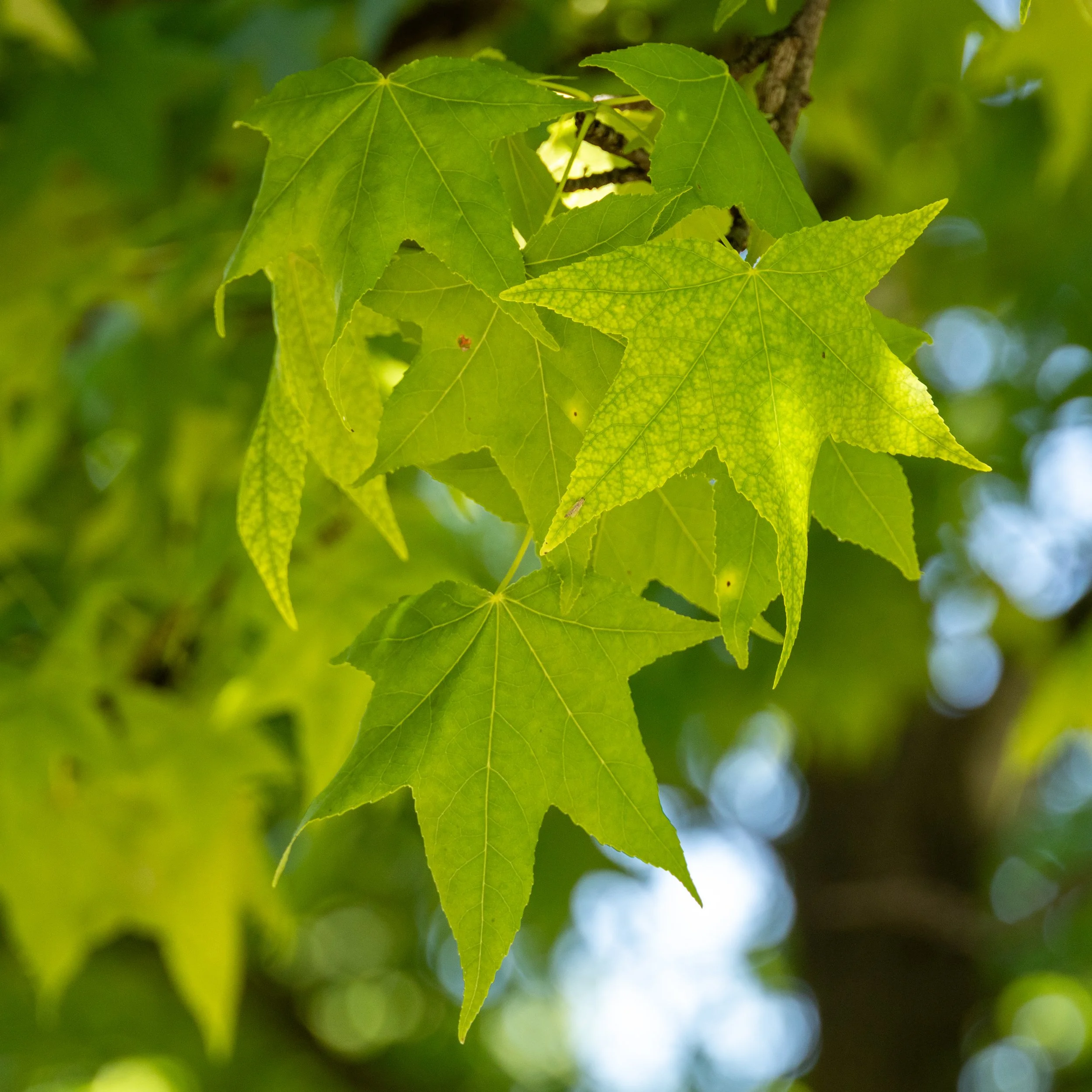
When trees show signs of iron or manganese deficiency, it’s easy to assume the soil simply lacks those nutrients. In reality, that’s often not the case. In central Ohio as is the case in many other soils, we often see that we contain perfectly adequate levels of these elements. The problem is bioavailability. Soil pH plays a major role in whether a tree can absorb nutrients. On the pH scale, 7 is neutral, lower values are acidic, and higher values are alkaline. In alkaline soils, iron and manganese become chemically bound in forms that roots cannot easily take up. Even though the nutrients are technically present, they’re essentially locked away behind the soil pH. This is particularly common in areas where the underlying geology contains limestone or similar materials, which naturally raise soil pH. Urban environments can make things worse, as materials like concrete or salt applied to the roads in winter that is subsequently plowed onto tree lawns can also contribute to increased alkalinity in the nearby soils over time. Certain species are more prone to these deficiencies in alkaline soils. In our region, red maple, eastern white pine, sweet gum, river birch, pin oak, and hemlock are just some of the most common trees to exhibit these symptoms. These species naturally prefer more acidic conditions, which makes them particularly sensitive when planted in higher pH soils.
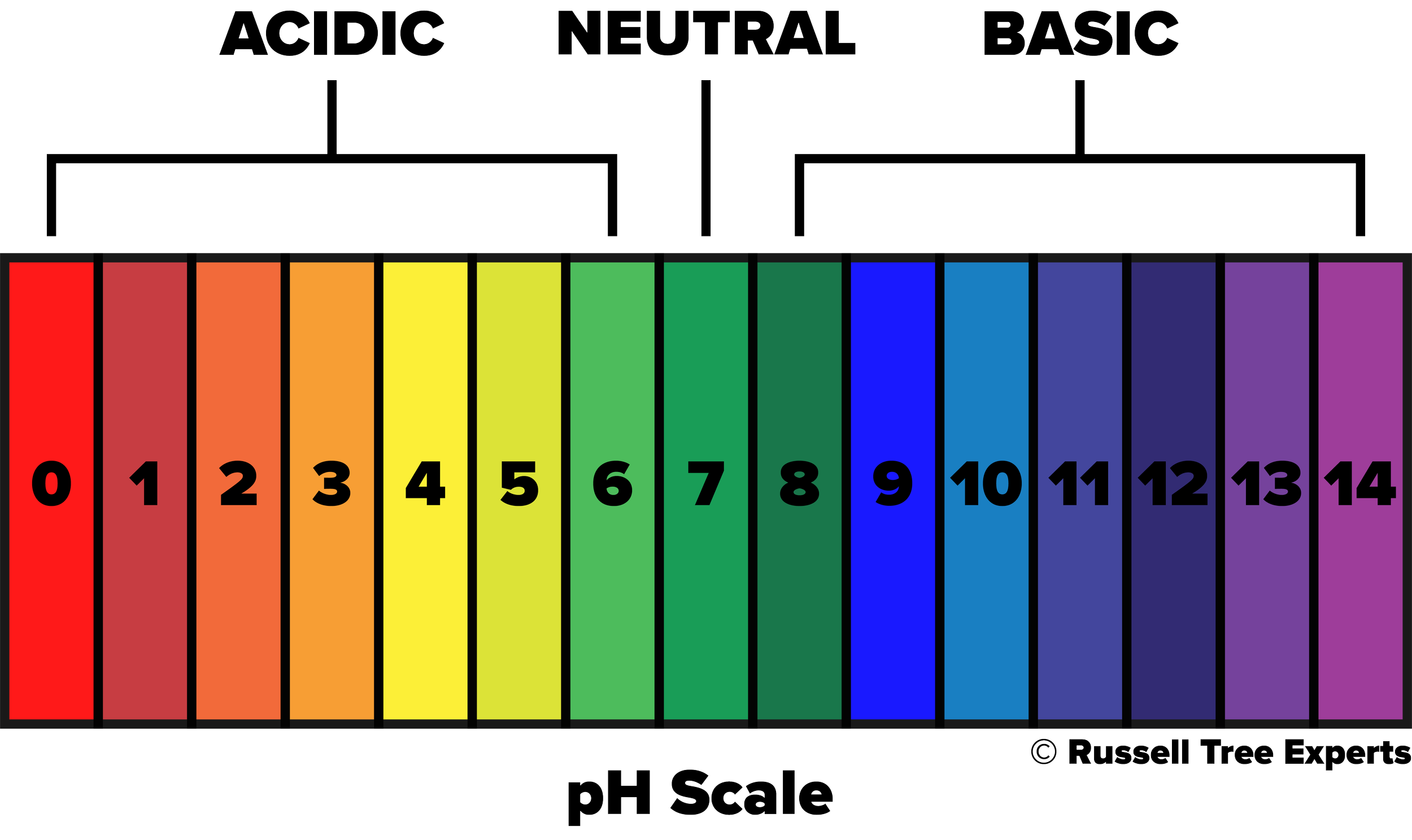
Soil pH can affect the availability of a particular nutrient for a tree
When I’m first asked to observe the health of a nutrient-deficient tree, chlorosis typically shows up as yellowing between the veins of leaves, while the veins themselves may remain green. Or the leaves have already dropped prematurely in July, August, or September, leading to slowed growth, or the tree may present with a thin canopy and other stressed signs. While nutrient deficiency is a common cause, it’s important not to jump to conclusions. Similar symptoms can result from other stressors, such as intense summer drought (as we’ve recently experienced the past two years), compacted soil, poor drainage, root damage, or pest and disease issues. Sometimes there can even be a cascading effect where the tree no longer has the nutrients it needs to fight off various pests, leading to more damage and a cycle of negative reinforcement. The important thing to remember is that proper diagnosis of the underlying issue, or in some cases issues, is key before beginning any treatment plan.
©Russell Tree Experts
Before taking corrective action, it’s wise to verify what’s actually going on. Soil testing can provide helpful baseline information, but it doesn’t always tell the full story of what the tree is absorbing. That’s where tissue sampling comes in. By collecting and analyzing leaf samples during specific times of the growing season (which varies by species), we can determine exactly which nutrients are deficient within the tree itself. Based on the samples we’ve conducted, manganese deficiency is the most commonly identified issue, though iron deficiencies do occur as well.
Once a deficiency has been confirmed, treatment can be both targeted and effective. A common approach begins with a general fertilization program that includes the deficient nutrient, for example, manganese, applied in a form the tree can readily absorb, mixed with a wide array of nutrients that encourage trees to be healthy and vigorous. About 30 days later, a follow-up application is typically recommended in the form of a basal drench. This involves applying a higher concentration of the needed nutrient directly around the base of the tree, allowing it to be taken up more efficiently through the root system. In addition to direct nutrient applications, long-term management may include efforts to gradually lower soil pH. Materials such as elemental sulfur can help make nutrients more available over time, though we’ve had mixed results that are certainly not immediate and require ongoing management. It appears far easier to inadvertently raise soil pH than strenuous efforts have been to lower it back down.
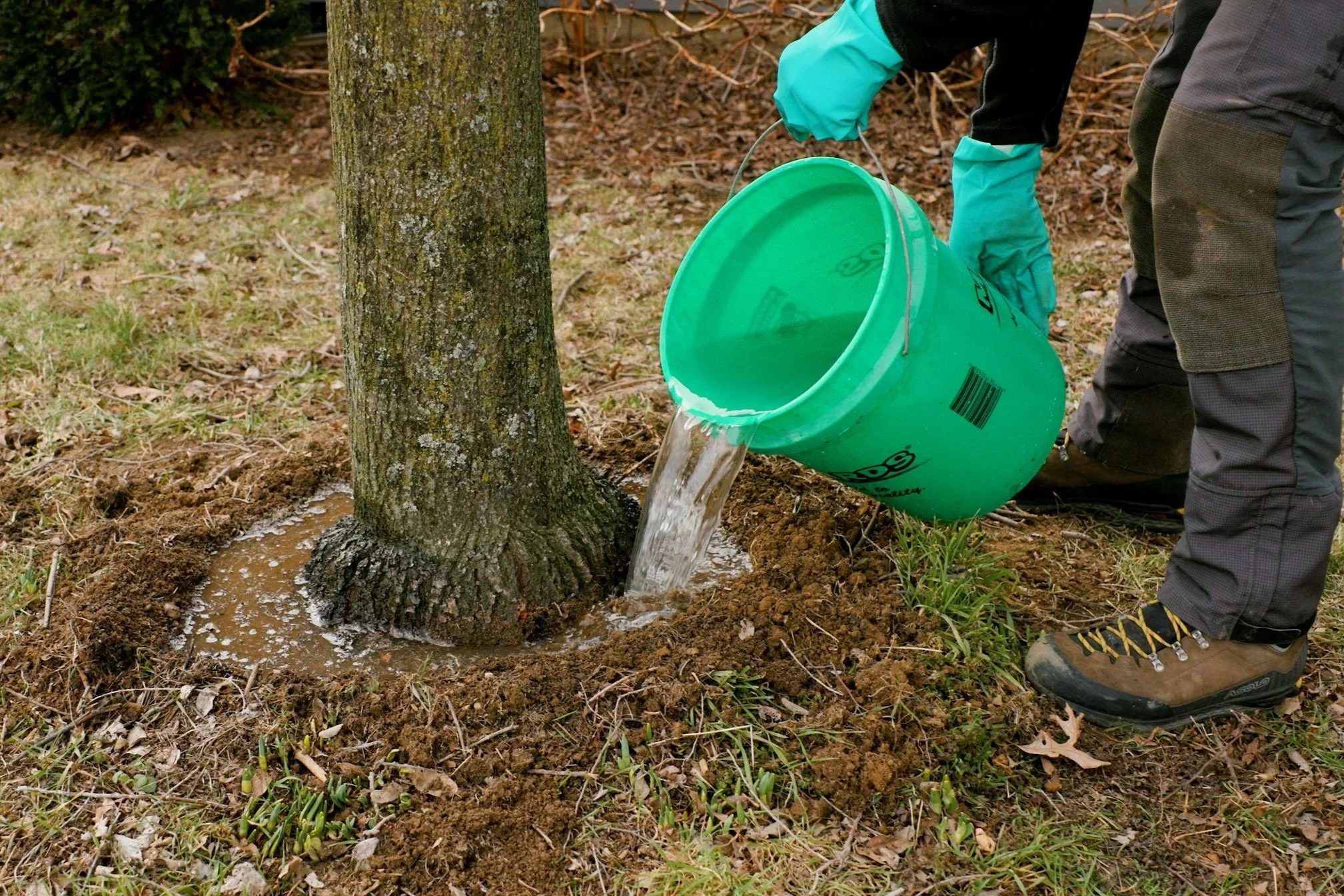
An example of a basal drench
©Russell Tree Experts
The best way to avoid nutrient deficiencies is to match the right tree to the right site. Selecting species that are well adapted to local soil conditions can prevent many of these issues before they even begin. When planting more sensitive species, it’s important to be proactive with monitoring and care. Nutrient deficiencies may not always be immediately visible, but they can have lasting impacts if ignored. With proper diagnosis, targeted treatment, and a thoughtful long-term approach, trees experiencing chlorosis can recover and continue to thrive in our landscape. For a free tree work quote by one of our ISA Certified Arborists®, visit RussellTreeExperts.com/Quote or call us at (614) 895-7000!
ADDITIONAL ARBOR ED™ ARTICLES!