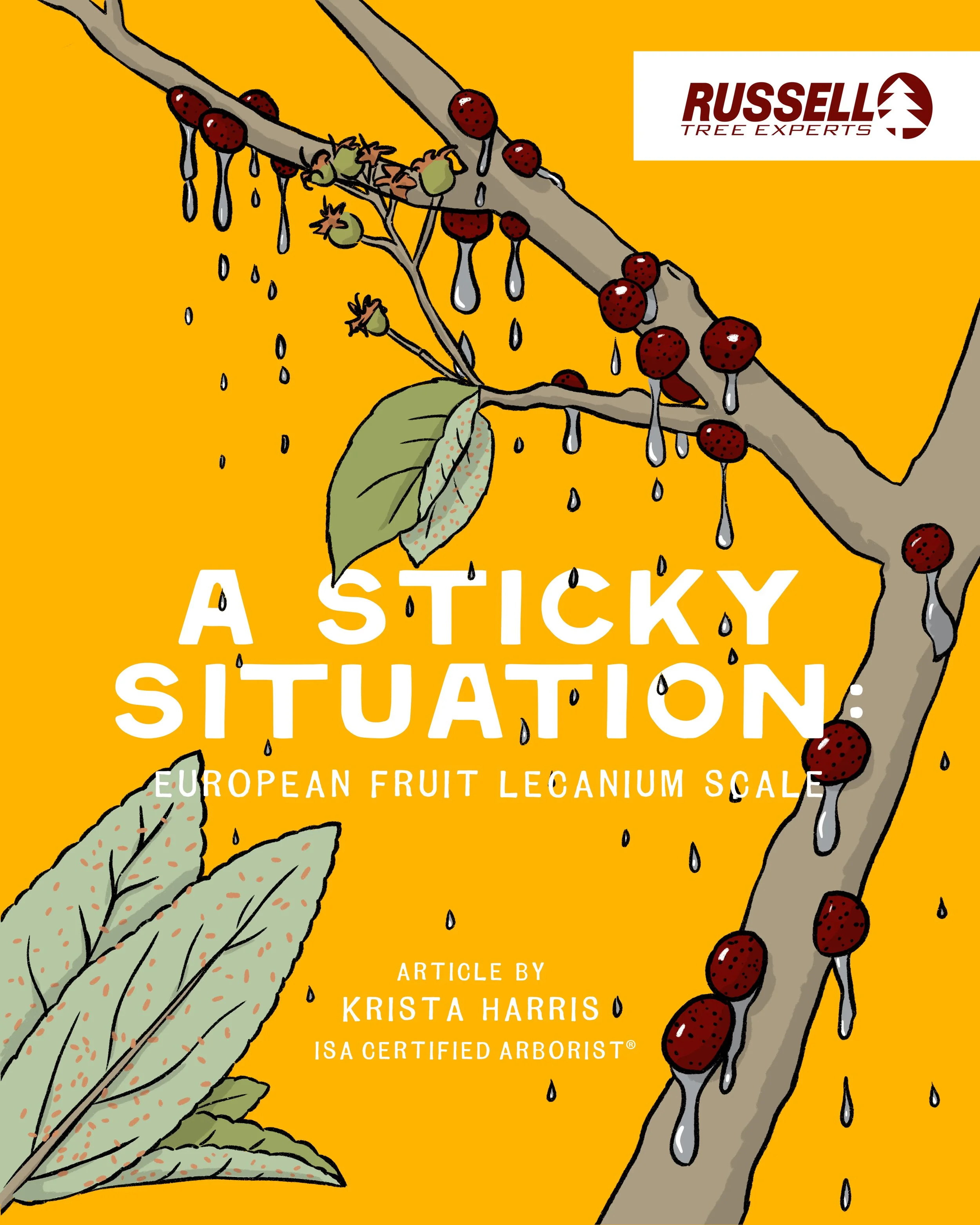
A Sticky Situation: European Fruit Lecanium Scale
By Krista Harris
ISA Certified Arborist® OH-6699A
May 7, 2026
European fruit lecanium scale feeding has begun!
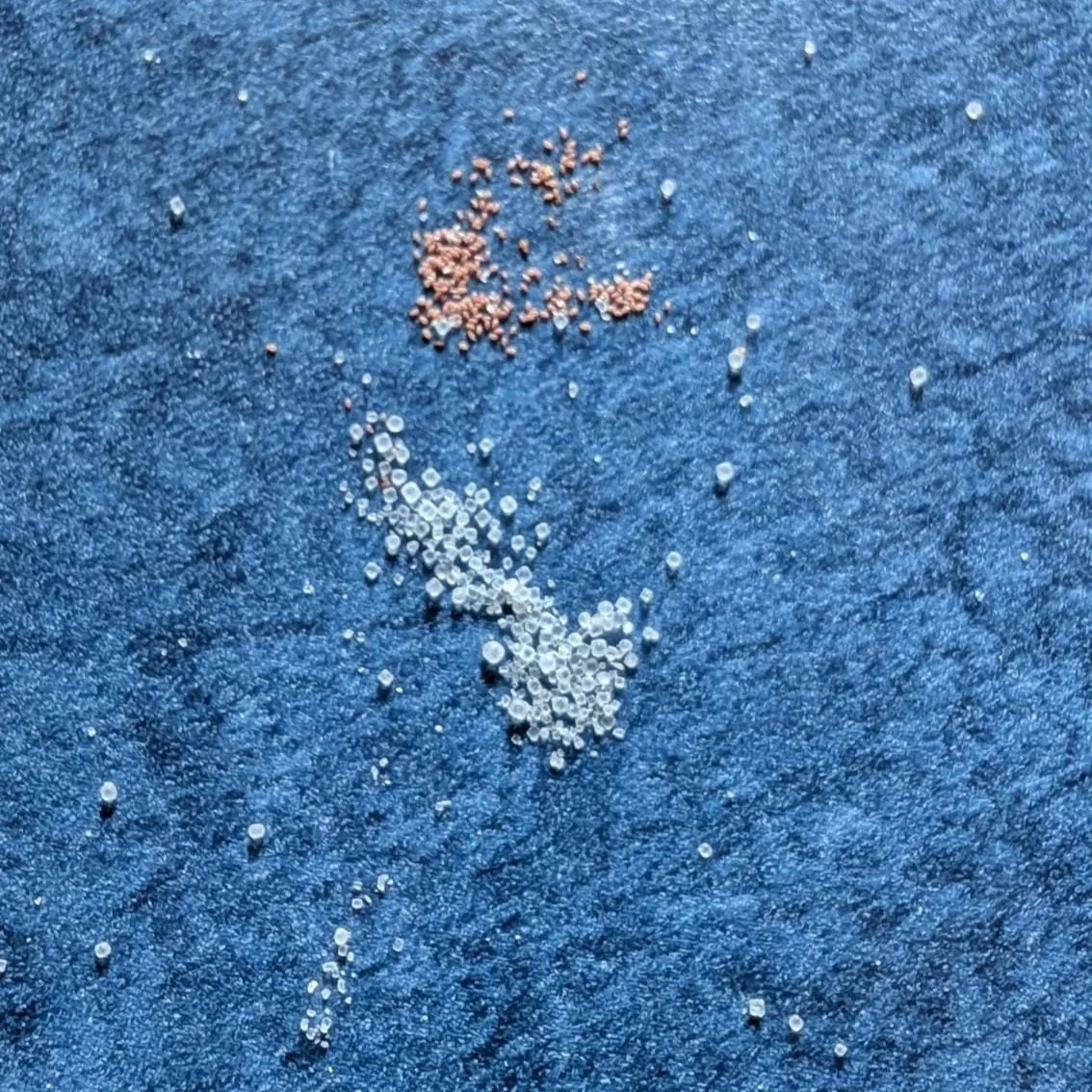
In this photo, the reddish dots are young lecanium nymphs, while the white dots are common table salt (to show scale)
The tiny nymphs that overwintered on some of our landscape trees are actively sucking up delicious phloem with their little straws and releasing their sticky waste. They are deceptively camouflaged and immobile on twigs, but give themselves away, as everything beneath them is eventually covered in sugary honeydew (insect droppings).
The feeding is not only an annoyance to the tree's caretakers, but the tree itself is now struggling to survive as the scale parasites steal the tree's precious nutrients, causing branch dieback, reduced tree growth, and overall health.
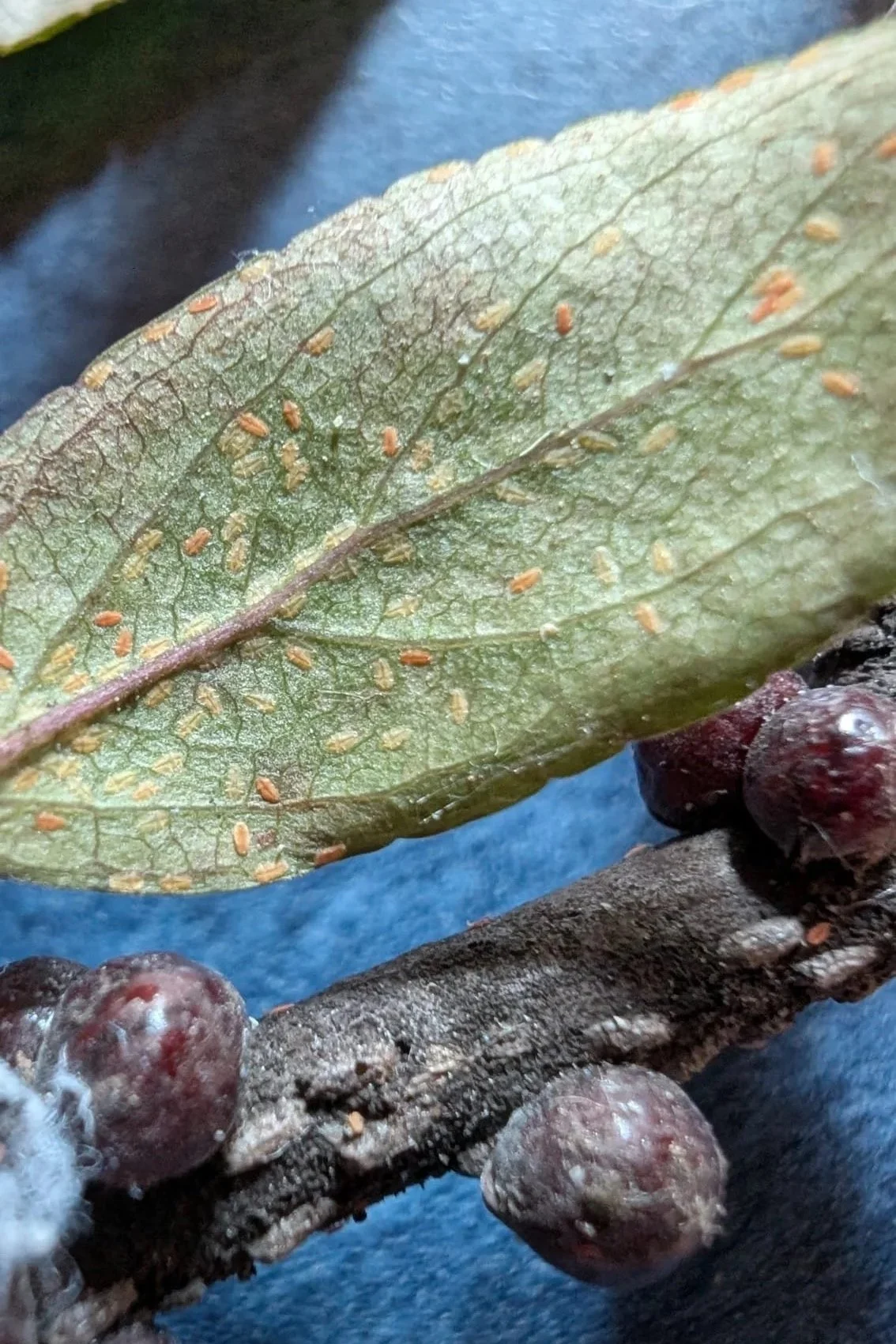
1st instar nymphs feeding on the undersides of leaves after hatching and leaving the mother's shell
Despite the common name of this insect, it evolved in North America. It is polyphagous (feeds on a wide variety) and so will make its home in many species of deciduous trees, both native and non-native. Common hosts that I tend to find these little suckers on in central Ohio are crabapple, pear, cherry, serviceberry, and hawthorn. Though this somewhat legitimizes its common name as a fruit scale, I also find it commonly on Fine Line Buckthorn (Rhamnus frangula 'Ron Williams'), maples, and, most recently, elms. However, it has been discovered by others on linden, birch, oak, hornbeam, willow, redbud, honeylocust, black walnut, and many other trees.
This insect's latin name (Parthenolecanium corni) reveals why it it has a quick, tactical advantage over our trees. The females can produce offspring without males parthenogenically (asexually, without fertilization). I, myself, have never witnessed the gnat-like adult male scale in 10 years of searching. If present at all, they are fleeting and unnecessary for the proliferation of this species.
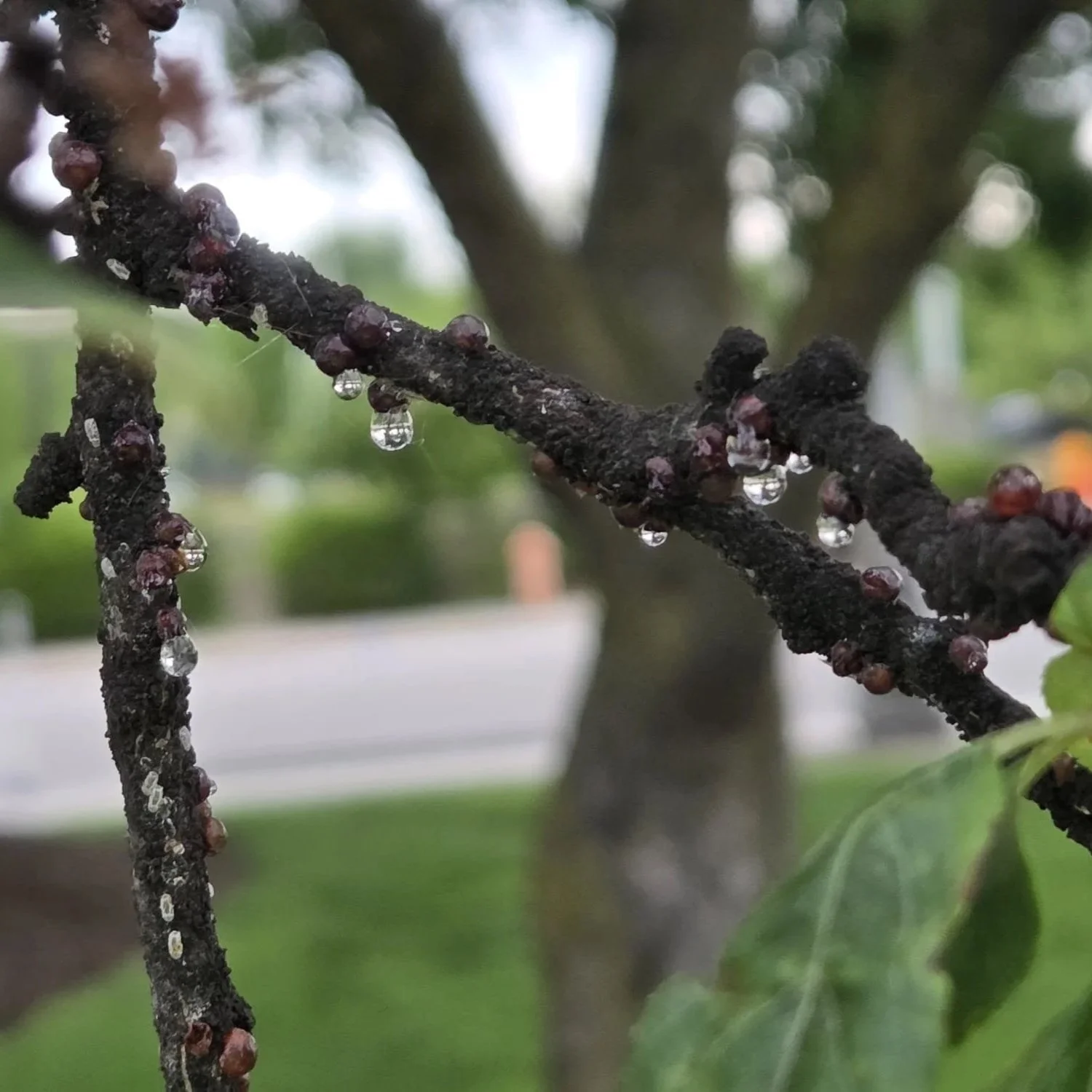
Honeydew (insect droppings) left behind by lecanium scale
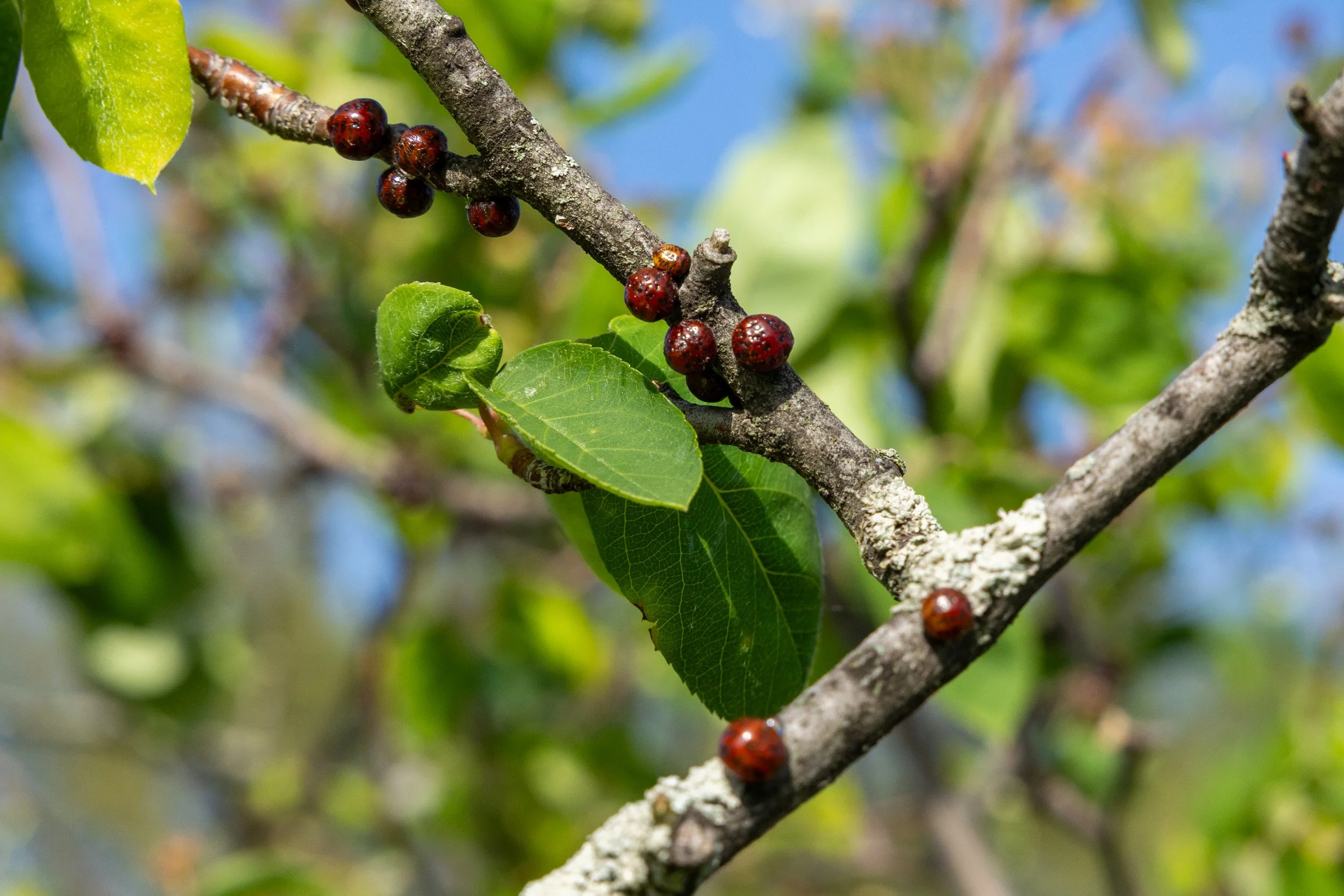
If you are experiencing sticky raindrops and want to inspect your trees for these hungry ladies, look for 1/8 to 1/4 inch brownish turtle shell-like lumps on the twigs. Each tiny mother shell harbors over one thousand eggs. The female will eventually perish in the creation of her offspring, and the first young nymphs, smaller than grains of table salt, will begin to hatch sometime in June. These little crawlers emerge from their mother's protective shell and travel a few feet to the nearest leaves, a huge distance for these newborns, equivalent to a third of a mile for humans comparatively, and settle on the undersides of the leaves to feed for the summer. Alternatively, some lucky nymphs hitch a ride on local wildlife, like the feet of squirrels or feathers of birds, to land on neighboring trees.
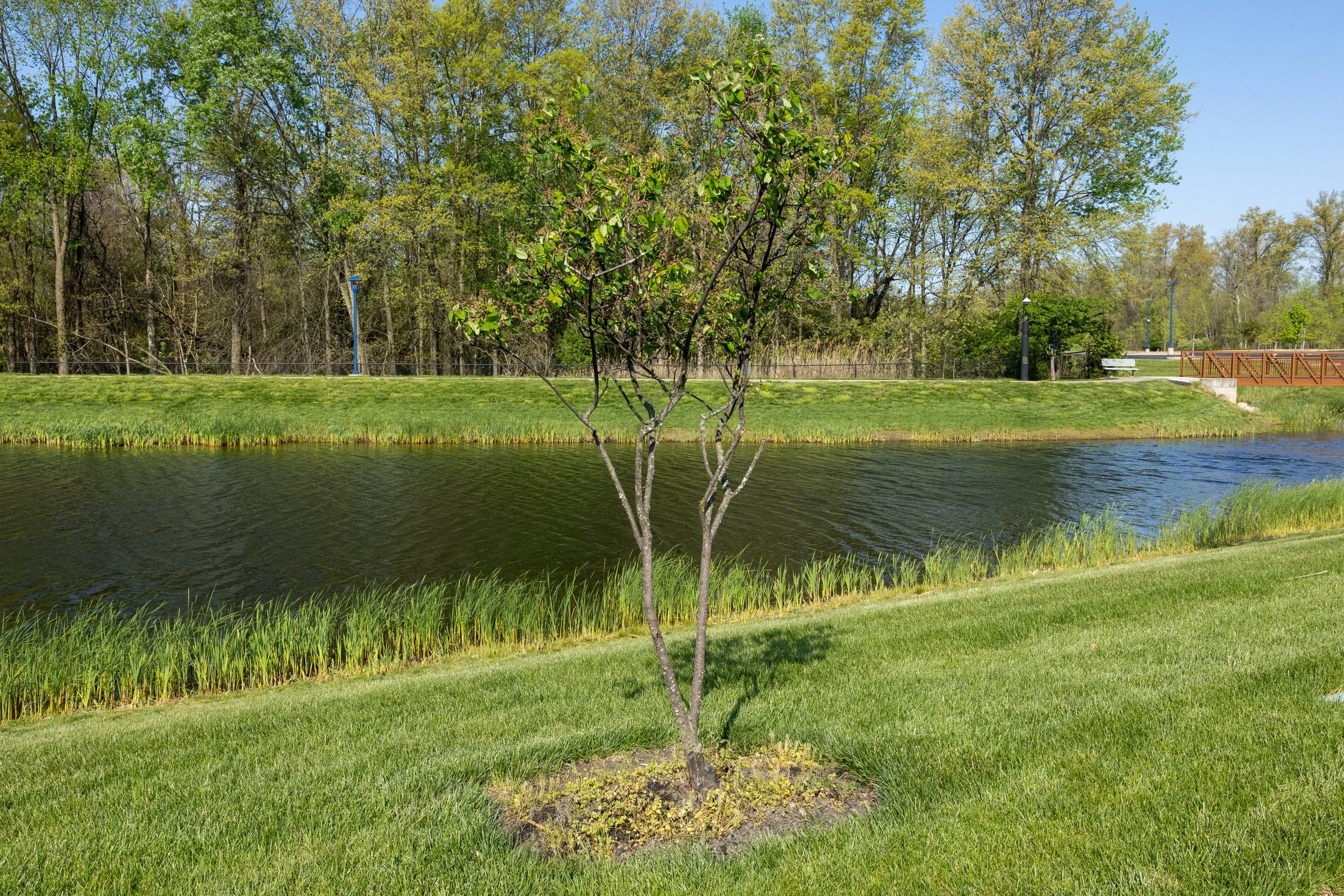
Ladybug larvae and parasitic wasp species typically keep populations managable and unnoticeable on healthy, unstressed trees, but in the modern environment of monoculture, poor soil and incorrect planting this insect can quickly run rampant.
The crawler stage is the most vulnerable for this insect as no waxy coating or hard mother shell protects them from insecticides.
If lecanium scale do make their way into your landscape, two well timed topical insecticide sprays on the crawler stage can help reduce and keep the population at a threshold that damage to the tree is minimal. On very small trees, adults can be removed and destroyed by hand before the eggs hatch. Russell Tree Experts can help you diagnose the infestation of this pest, treat for these little freeloaders and give you helpful advice on improving your tree's overall conditions to prevent future infestation and sticky situations. For a free tree work quote by one of our ISA Certified Arborists®, visit RussellTreeExperts.com/Quote or call us at (614) 895-7000! Happy spring everyone!
ADDITIONAL ARBOR ED™ ARTICLES!